W3vina.COM Free Wordpress Themes Joomla Templates Best Wordpress Themes Premium Wordpress Themes Top Best Wordpress Themes 2012

Tag Archive | "Andreas Harsono"

Banyak janji Yudhoyono soal HAM ‘tidak terpenuhi’

LEMBAGA pegiat lain seperti Setara institute for Democracy and Peace menggaris bawahi kasus-kasus intoleransi beragama yang tidak juga diselesaikan. Dua di antaranya, menurut Setara, adalah kesulitan beribadah yang dialami oleh jemaat GKI Yasmin di Bogor dan penolakan terhadap pengikut Ahmadiyah [dan juga terhadap pengikut Syiah] di Sampang, Madura.

BBC Indonesia

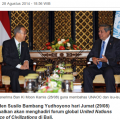
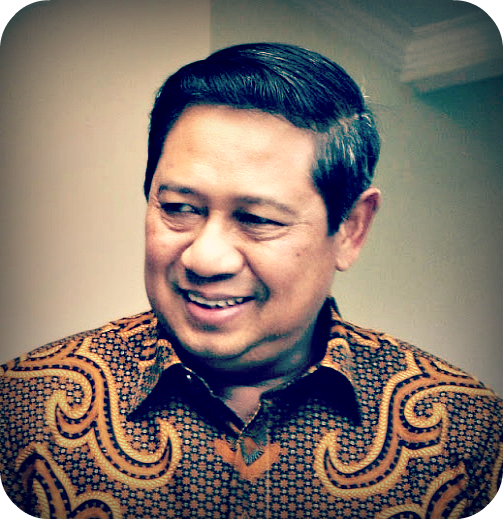
PRESIDEN Susilo Bambang Yudhoyono hari Jumat (29/08) dijadwalkan akan menghadiri forum global United Nations Alliance of Civilizations di Bali.

SBY rencananya akan memberi sambutan mengenai isu global dan hak asasi manusia sesuai dengan tema forum tersebut “unity in diversity” atau persatuan dalam keberagaman, seperti yang diungkap staf khusus presiden bidang hubungan internasional Teuku Faizasyah.

Perserikatan Bangsa-Bangsa sebagai penyelenggara juga menganggap Indonesia sebagai negara besar, sangat beragam, damai dan cocok untuk menyelaraskan budaya timur dan barat serta Islam dan dunia agama lain, kata Michele Zaccheo, Direktur Pusat Informasi PBB di Indonesia.

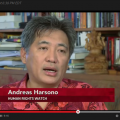
Namun masalah hak asasi manusia justru dinilai memburuk selama masa pemerintahan Presiden Yudhoyono dan banyak janjinya terkait HAM tidak terpenuhi, jelas Andreas Harsono, peneliti Indonesia dari organisasi pegiat HAM Human Rights Watch.

“Ketika SBY mulai jadi presiden, dia kan berjanji menyelesaikan masalah-masalah HAM, hak asasi manusia. Yang terkenal kan janji dia soal Munir yah. Menyelesaikan masalah Munir itu kata dia, the test of our history, ujian kita oleh sejarah. Dia juga janji akan membereskan yang lain, ’65, orang hilang dan seterusnya. Ternyata itu semua tidak dia penuhi,” kata Andreas.

Lembaga pegiat lain seperti Setara institute for Democracy and Peace menggaris bawahi kasus-kasus intoleransi beragama yang tidak juga diselesaikan.

Dua diantaranya, menurut Setara, adalah kesulitan beribadah yang dialami oleh jemaat GKI Yasmin di Bogor dan penolakan terhadap pengikut Ahmadiyah [dan juga terhadap pengikut Syiah] di Sampang Madura.

Menanggapi pendapat tersebut, staf khusus presiden bidang hubungan internasional Teuku Faizasyah mengatakan situasi di Indonesia masih lebih baik dibandingkan dengan negara-negara lain.

“Karena justru, kalau kita bandingkan apa yang terjadi di dunia saat sekarang apa yang dilihat sebagai kasus-kasus intoleransi itu, tidak bisa dibandingkan dengan apa yang terjadi di Timur Tengah di kawasan lainnya di dunia. Bahkan apa yang terjadi juga belum lama ini di Amerika Serikat kan cerminan kasus-kasus intoleransi,” kata Teuku Faizasyah.

Harapan pada pemerintah baru

Di lain pihak, tidak banyak yang bisa dilakukan oleh pemerintahan Yudhoyono yang tinggal tujuh pekan lagi. Karenanya Bonar Tigor Naipospos, dari Setara Institute berharap pemerintah yang akan datang dapat memberi solusi terhadap kasus-kasus intoleransi beragama.

“Enam bulan pertama, dia (Jokowi) dapat mengambil langkah konkret misalnya, satu menyelesaikan persoalan GKI Yasmin. Kedua misalnya, mengembalikan fungsi masjid Al Misbah di Bekasi yang disegel oleh pemerintah kota. Kemudian memulangkan pengungsi Syiah yang sekarang ini ada di Sidoarjo ke Sampang,” ujar Bonar.

Bonar juga berharap pemerintah yang akan datang dapat menghapus regulasi dan peraturan pemerintah yang bersifat diskriminatif terhadap kelompok tertentu.

Forum global United Nations Alliance of Civilizations akan berlangsung hingga Sabtu (30/08) dan juga akan dihadiri oleh sekretaris jenderal PBB Ban Ki Moon.

Posted in Nasional, Persekusi, PerspektifComments (0)

Indonesian province turns up Sharia law after devastating tsunami

ANDREAS HARSONO: There are two groups that are actually threatened by this formalization of the Sharia. The first group is religious minorities. More than 20 churches are closed down in Aceh over the last two years. They also banned 14 Islamic religious sects, like the Ahmadiyya, the Shia. We didn’t expect that.

_
Andreas Harsono dari Human Rights Watch: “Dengan memberlakukan syariah di Aceh, bangsa negara Indonesia pada dasarnya membuka kotak Pandora.”

Kira Kay: “Andreas Harsono berasal dari Human Rights Watch.

Andreas Harsono: “Terdapat dua kelompok yang benar-benar terancam oleh formalisasi syariah ini.

“Kelompok pertama merupakan kaum minoritas keagamaan.

“Lebih dari 20 gereja ditutup di Aceh selama dua tahun terakhir. Mereka pun melarang 14 sekte-sekte keagamaan Islam, seperti Ahmadiyah dan Syiah.

“Kami tidak menyangka demikian.

“Korban yang kedua adalah kaum perempuan.

“Beraneka ragam, peraturan-peraturan aneh dibuat, misalnya, melarang kaum perempuan duduk mengangkangi sepeda motor.

“Pada beberapa daerah, kaum perempuan tidak boleh mengenakan pakaian celana panjang untuk pergi bekerja atau pergi sekolah, yang berarti bahwa itu membatasi mobilitas mereka. Pada akhirnya, yang demikian akan mempengaruhi pendidikan mereka.”

_
ISLAMIC Sharia law was fairly dormant in the Indonesian province of Aceh until a massive earthquake and tsunami struck in 2004, killing more than 130,000. But as residents rebuild, Sharia officers have strengthened their grip, threatening rights of religious minorities and women. Special correspondent Kira Kay reports.

PBS News Hour

TRANSCRIPT

JUDY WOODRUFF: We turn now to Indonesia, where one province, in the wake of the devastating tsunami of 2004, has embraced Islamic Sharia law.

Special correspondent Kira Kay recently traveled to Aceh province, where she was given special access to the religious police force, to bring us this inside look at how Sharia is impacting the everyday life of residents.

KIRA KAY: It’s Friday noon, time for the most important prayers of the week at mosques around the Indonesian city of Banda Aceh.
Besides the call to prayer, you can hear another sound on the streets, the loudspeaker from the Sharia police patrol.

WOMAN (through interpreter): Exit and head to the mosque in order to do Friday prayers.

KIRA KAY: Shops and restaurants are supposed to be closed during prayers, but these Sharia officers are tipped off by the motorbikes parked out front the seemingly shuttered entrances, and they break up the clandestine lunch plans of this roomful of men.

Alongside a secular legal system, Aceh enforces an official policy of Sharia. While most offenses draw only a scolding from police, there is a court system to try more serious cases, with public caning the ultimate punishment.

Ritasari Pujiastuti is the chief of Banda Aceh’s Sharia police.

RITASARI PUJIASTUTI, Chief, Sharia Police Force (through interpreter): The most common infractions we find are un-Islamic behavior, like not wearing proper clothing. Next is being alone with someone who is not your spouse, particularly in quiet places, and then gambling. We also find a lot of alcoholic drinks. We also get reports from citizens telling us whenever a Sharia violation happens in a given neighborhood.

KIRA KAY: Sitting at the northernmost tip of Indonesia, Aceh is nicknamed the verandah of Mecca. Islam first came to the country through here.

Aceh fought a three-decade war for independence from the rest of Indonesia. It didn’t win, but was given special autonomy that included Sharia. So far, Aceh is the only province in Indonesia to be given this special right.

Banda Aceh Mayor Illiza Sa’Aduddin has made Sharia a priority.

MAYOR ILLIZA SA’ADUDDIN DJAMAL, Banda Aceh (through interpreter): We are very proud that Aceh got to do this first, that this blessing was bestowed on us. Even though there are shortcomings, we are glad to be able to live under Sharia.

KIRA KAY: The system sat fairly dormant until after 2004, when a massive earthquake and ensuing tsunami rocked Aceh, killing 130,000 people. Many citizens felt the disaster was God’s punishment for their lack of devoutness, evidenced by the mosques that remained standing amidst fields of rubble.

Acehnese renewed their dedication to their faith. The tsunami recovery process also opened up long-closed Aceh to the world, and its vices, says police chief Ritasari.

RITASARI PUJIASTUTI (through interpreter): We need to constantly monitor people’s behaviors by patrol or raid because there are a lot of outside influences coming from all sides. We are safeguarding people, particularly the younger generation, who are drawn towards this wave of globalization.

KIRA KAY: Mayor Sa’Aduddin says Sharia is part of Aceh’s rebuilding process.

ILLIZA SA’ADUDDIN DJAMAL (through interpreter): We are really grateful to everyone who has helped us with the recovery and rehabilitation. Without their help, we wouldn’t be where we are today. Our challenge is to ensure that Islamic values remain in people’s hearts, so that we can build on this development in a positive way, through a generation that contributes to society.

KIRA KAY: Among young citizens of Aceh, there’s some surprising agreement with the concerns of the mayor and police chief. Sanusi was stopped by the Sharia police for driving with female friends after dark.

SANUSI (through interpreter): I was nervous when it happened, but I feel the rules are good for society, especially to guide the lives and behaviors of young people. Yes, sometimes, we feel embarrassed or annoyed, but when the Sharia police give us words of advice, we understand they are for the good of all.

EVA AGUSTINA (through interpreter): Personally, I feel comfortable. I can also express myself with the latest Islamic fashion.

KIRA KAY: At the Islamic university, young students debate the laws amongst themselves.

MASHITAH (through interpreter): People view the Sharia as something extreme. But I think Sharia is there to establish boundaries, not to imprison us.

SEPTIA MULIA (through interpreter): I don’t agree that everything should be regulated. I think it is us who should regulate ourselves, not the government who establishes what we can or can’t do.

KIRA KAY: The restrictions on young people are significant, because Sharia prohibits the close interactions of unmarried people. Banda Aceh’s only cinema was shut down, and the music scene has been censored, with some of the city’s famous punks themselves convicted of Sharia violations.

Young people can still go to the beach, but it closes at dark to avoid improper behavior, causing traffic jams at the gate. Billboards sponsored by the city remind citizens that unmarried couples cannot be alone together. This young couple knows they are breaking the law, but they have nowhere else to go and are willing to take the risk.

Other youth have taken a cat-and-mouse approach, like these young women, who are wearing lawbreaking, though stylish, pencil pants.

DEWI NURHALIZA (through interpreter): We just have to be careful. If we see the Sharia police, we run.

NURUL FITRI (through interpreter): Of course we won’t just stand there and get arrested. I could never bear the shame.

KIRA KAY: But beyond these lifestyle infringements lurk more serious human rights concerns, as Aceh’s interpretation of Sharia broadens.

ANDREAS HARSONO, Human Rights Watch: By giving the Sharia to Aceh, the Indonesians basically opened the Pandora’s box.

KIRA KAY: Andreas Harsono is with Human Rights Watch.

ANDREAS HARSONO: There are two groups that are actually threatened by this formalization of the Sharia. The first group is religious minorities. More than 20 churches are closed down in Aceh over the last two years. They also banned 14 Islamic religious sects, like the Ahmadiyya, the Shia. We didn’t expect that.

The second victim is women. There are various, strange regulations being produced, for instance, banning women from straddling motorcycles. In some areas, women cannot wear pants to go to work or to go to school, which means that it will restrict their mobilities. Ultimately, it will affect their economic rights. Ultimately, it will affect their education.

KIRA KAY: We were given special access to follow the Sharia police on their daily rounds.

WOMAN (through interpreter): We often come to parks like this, because we can see people dating or not wearing Muslim dress. We try to give them guidance on the scene. But if the violation is more serious, we will bring it to the office.

KIRA KAY: We noticed women being targeted a lot more than men. These store clerks were chased because their uniforms were immodest. So was this mom for not wearing a head scarf. And this troubling scene, the berating of a young woman in the parking lot, after being caught having an affectionate outing with her boyfriend.

WOMAN (through interpreter): You will bring shame to your village. Do you understand?

AZRIANA MANALU, Lawyer, LBH Apik Aceh (through interpreter): When a man violates Sharia, people see it as a misdemeanor. But when it’s a woman, she is automatically seen as a sinner who has no place in society.

KIRA KAY: Azriana Manalu is a lawyer advocating for women facing serious Sharia violations. She says accusations of adultery are particularly traumatizing for women, but even simpler charges can ruin lives.

In 2010, two young women were caned because they were caught selling rice during Ramadan. After their public punishment, Manalu says, they fled their homes for good.

AZRIANA MANALU (through interpreter): The worst kind of punishment for women is the social stigma, even excommunication they receive from their communities. The caning hurts them for only one or two days, but the condemnation is something they will face for the rest of their lives.

KIRA KAY: Manalu also fears that communal tensions are rising as neighbors turn each other in.

AZRIANA MANALU (through interpreter): I don’t think Sharia is what people need right now. What we need is for victims of past conflict to live peacefully. We also need to put an end to corruption. These things should be taken seriously by the government, not this priority on Sharia enforcement.

KIRA KAY: Mayor Sa’Aduddin admits improvements are needed but remains firmly committed to Sharia.

MAYOR ILLIZA SA’ADUDDIN DJAMAL (through interpreter): We don’t want the officers to be authoritarian. They must truly understand their function is not to just punish people, but also to explain why they do this, and tell people not to take the law into their own hands. There must also be clear legal procedures, with witnesses and evidence.

KIRA KAY: There are now new bylaws extending Aceh’s Sharia rules to non-Muslims. For the first time this past Ramadan, Christian Chinese food shops were forced to close during the fasting period, a troubling development for a country long known for its moderate form of Islam.

Meanwhile, other parts of Indonesia are beginning to see Aceh as a model, sending local officials to observe the implementation.

JUDY WOODRUFF: This report is part of the Fault Lines of Faith series produced in partnership with the Bureau for International Reporting.

Posted in Kemanusiaan, Nasional, Persekusi, PerspektifComments (0)

HRW serahkan dokumen rekomendasi HAM ke Jokowi

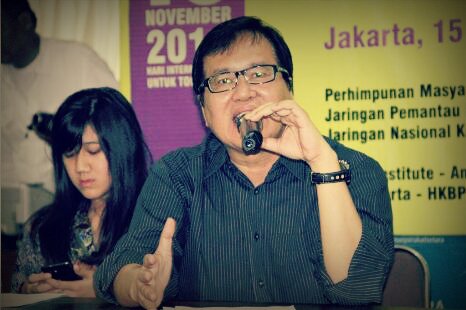
“SOAL kebebasan beragama, misalnya, mencabut Surat keputusan Bersama Ahmadiyah itu bisa dilakukan tanpa omongan dengan DPR,” kata peneliti dari Human Right Watch, Andreas Harsono.

TEMPO.CO, Jakarta – Human Rights Watch akan menyerahkan dokumen yang berisi rekomendasi penyelesaian masalah hak asasi manusia kepada presiden terpilih, Joko Widodo. Rekomendasi itu dibuat sesuai dengan kewenangan sebagai presiden.

“Soal kebebasan beragama, misalnya, mencabut Surat keputusan Bersama Ahmadiyah itu bisa dilakukan tanpa omongan dengan DPR,” kata peneliti dari Human Right Watch, Andreas Harsono, di Balai Kota, Jalan Medan Merdeka Selatan, Gambir, Jakarta Pusat, Jumat, 22 Agustus 2014. (Baca: Jokowi-JK Didesak Benahi Birokrasi Investasi)

Juga tentang permasalahan sengketa tanah dan buruh migran. “Dari persoalan sampai rekomendasi itu ada. Ini dokumen mau diserahkan langsung,” ujar Andreas.

Andreas mengatakan rekomendasi ini dibuat setelah bertemu dengan Jokowi pada April lalu. Saat itu, kata Andreas, Jokowi menanyakan kebebasan beragama di Indonesia. “Saya bilang ada hukum-hukum yang diskriminatif terhadap minoritas. Misalnya Ahmadiyah dan rumah ibadah,” ujar Andreas. (Baca: Soal Pengunduran Diri, Jokowi Tunggu Hari Baik)

Andreas juga mencontohkan persoalan yang terjadi di Undang-Undang Dasar 1945 terkait dengan kebebasan beragama yang digeser menjadi kerukunan beragama. “Padahal yang ada di undang-undang itu orang bebas beragama,” ucap Andreas.

Tanpa disadari, Andreas mengatakan selama sepuluh tahun terakhir bergeser menjadi kerukunan beragama. Orang bisa dipenjara karena menikah beda agama dan membangun gereja tanpa izin. “Dia mendengarkan, tapi enggak komentar,” ujar dia.

SINGGIH SOARES

_
Berita lain: JAKARTA GLOBE

Posted in Nasional, Persekusi, PerspektifComments (0)

Datangi Jokowi, aktivis HAM sodorkan dokumen pelanggaran HAM di RI

Dalam hal kebebasan umat beragama, Andreas mendesak Jokowi agar nantinya bisa mencabut SKB tiga menteri mengenai Ahmadiyah, dan peraturan mengenai pembangunan rumah ibadah yang harus mendapat persetujuan 60 persen dari penduduk sekitar yang ia nilai mempersulit warga dari agama minoritas.

JAKARTA, KOMPAS.com. – Peneliti dari Human Right Watch, Andreas Harsono, mendatangi Gubernur DKI Jakarta sekaligus presiden terpilih Joko Widodo, di Balaikota Jakarta, Jumat (22/8/2014) pagi.

Kedatangannya bertujuan untuk menyerahkan dokumen mengenai permasalahan-permasalahan seputar hak asasi manusia di Indonesia.

“Dokumen ini berisi rekomendasi-rekomendasi tentang apa yang bisa dilakukan Jokowi sebagai presiden. Permasalahannya apa dan rekomendasinya apa semua sudah dicantumkan. Dan dokumen ini akan diserahkan secara resmi,” kata Andreas.

Andreas berpendapat, beberapa hal yang perlu dilakukan oleh Jokowi saat nantinya telah dilantik sebagai presiden adalah mengenai kebebasan umat beragama, permasalahan di Papua, kasus sengketa tanah, dan nasib-nasib TKI di luar negeri.

Dalam hal kebebasan umat beragama, Andreas mendesak Jokowi agar nantinya bisa mencabut SKB tiga menteri mengenai Ahmadiyah, dan peraturan mengenai pembangunan rumah ibadah yang harus mendapat persetujuan 60 persen dari penduduk sekitar yang ia nilai mempersulit warga dari agama minoritas.

“Sementara soal Papua, kami meminta agar larangan wartawan asing meliput di sana yang sudah berlangsung sejak tahun 1963, dicabut,” kata Andreas.

_
Penulis: Alsadad Rudi. Editor: Kistyarini

Posted in Nasional, PerspektifComments (0)

Voting against Indonesia’s religious intolerance

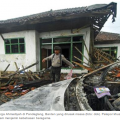
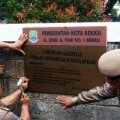
INDONESIAN Christians aren’t the only targets of discrimination by local government officials. On June 26, regency officials in Ciamis, West Java, sealed an Ahmadiyah mosque on the basis that Ahmadis are “heretics” and “blasphemous”. Syaiful Uyun, an Ahmadiyah imam, told Human Rights Watch that local governments in West Java have ordered the closure of at least 37 other Ahmadiyah mosques over the past six years.

PICTURE caption: “An Ahmadiyah mosque in Ciamis in West Java. The mosque management took down their name board after a West Java govertment bans Ahmadiyah activities in 2011. Ciamis is located in southeastern West Java. Totally there are 37 Ahmadiyah mosques in trouble in the area because of violence and government discrimination.” –Andreas Harsono; Facebook.com

_
Human Right Watch

Author: Andreas Harsono
Published in: MalaysiaKini

PROTESTANT church congregations in Singkil regency in Indonesia’s Aceh province in northern Sumatra are in the market for new video hardware.

But they did not source wide-screen televisions to view 2014 World Cup matches or the candidate debates for Indonesia’s July 9 presidential election.

Instead, the 10 churches wanted closed circuit television cameras (CCTV) to defend against possible arson attacks by violent Islamist militants.

Those church congregations have reason to be afraid during this election season. Pastor Erde Berutu, the minister of one of the Singkil congregations seeking CCTV cameras, told Human Rights Watch that memories of an arson attack on a Protestant church in Aceh’s Gunung Meriah area after the April 2012 local elections made the camera purchases an urgent priority.

Unknown attackers broke into the church in the early hours, doused the church pulpit, pews and walls with gasoline and then set them alight.

Berutu worries that the aftermath of the looming July 22 announcement of the results of the country’s presidential election between Jakarta Governor Joko Widodo and retired General Prabowo Subianto might foster tensions that could lead to similar violence.

For Malaysians more familiar with Indonesia’s national slogan of ‘unity in diversity’ accounts of fearful church congregations bracing for arson attacks by Islamist militants might come as a surprise.

Intolerance eating way at harmony

But behind the Indonesian government’s rhetoric of “religious harmony” in the world’s most populous Muslim nation, there has been steady erosion in Indonesia’s tradition of religious tolerance in recent years.

The result? Indonesia’s religious minorities are increasingly under threat by Islamist militants and a government that refuses to defend their constitutional guarantees of religious freedom.

Across Indonesia, Muslim minorities, including Ahmadiyah, Shia and Sufi, as well as Catholic and Protestant groups, are targets of harassment, intimidation, threats and, increasingly, acts of mob violence.

The perpetrators are Sunni Islamist militant groups such as the Islamic Defenders Front (FPI).

They mobilise gangs that swarm minority houses of worship. The groups’ leaders justify such thuggery as attacks against “infidels” and “blasphemers”.

Indonesia’s Setara Institute, which monitors religious freedom in Indonesia, documented 220 cases of violent attacks on religious minorities in 2013, an increase from 91 such cases in 2007.

Escalation in reported cases of religious violence against minorities in Indonesia:

YEAR CASES
2007 91
2008 257
2009 181
2010 216
2011 242
2012 264
2013 220

Source: Setara Institute

Recent incidents expose the human toll behind such statistics. On May 29, about a dozen robed Islamist militants attacked a Catholic prayer service at a private home in the ancient Javanese city of Yogyakarta.

The attackers inflicted serious injuries, including broken bones, on the home owner, three of his neighbours and a journalist.

Attacks on religious minorities can also come from government officials. On May 15, municipal government officials informed the congregation of the Pentecost Church in Rancaekek, near Bandung, West Java, that their church building would be immediately and forcibly renovated into a private residence.

Pentecost Church pastor Bennhard Maukar told Human Rights Watch that the pending destruction of the church building comes three years after the local government sealed the church as an “illegal” structure.

Indonesia’s 2006 national Decree on Houses of Worship gives local governments the power to approve the construction of houses of worship but it is not clear whether the government has the authority to demolish existing structures it disapproves of.

The decree routinely results in discriminatory construction prohibitions against religious minorities. In Aceh, it is even used to prevent Christian congregations from painting or undertaking renovations of their houses of worship.

Indonesian Christians aren’t the only targets of discrimination by local government officials. On June 26, regency officials in Ciamis, West Java, sealed an Ahmadiyah mosque on the basis that Ahmadis are “heretics” and “blasphemous”. Syaiful Uyun, an Ahmadiyah imam, told Human Rights Watch that local governments in West Java have ordered the closure of at least 37 other Ahmadiyah mosques over the past six years.

The government of President Susilo Bambang Yudhoyono, who leaves office in October after 10 years in power, has been part of the problem.

Feeding the fire of discord

Officials and security forces frequently facilitate harassment of religious minorities, in some cases even blaming the victims for the attacks.

Authorities have made blatantly discriminatory statements, refused to issue building permits for houses of worship, and pressured minority congregations to relocate.

Police have sided with Islamist militants at the expense of the rights of minorities, ostensibly to avoid violence.

In some cases, police colluded with the attackers for religious, economic or political reasons.

In other instances, they lacked clear instructions from above or felt outnumbered by militants.

In all cases though, the poor police response reflects institutional failure to uphold the law and hold perpetrators of violent crimes to account.

The Religious Affairs Ministry, the Coordinating Board for Monitoring Mystical Beliefs in Society under the Attorney-General’s Office, and the semi-official Indonesian Ulama Council have all issued decrees and fatwas against members of religious minorities and pressed for the prosecution of “blasphemers.”

Advice to new president

Such behaviour contravenes the International Covenant on Civil and Political Rights, which Indonesia became a party to in 2005.

The winner of Indonesia’s presidential election on July 9 should make a decisive break with the Yudhoyono government’s failure to support and protect the rights of religious minorities.

The new presiden, whether Joko (left) or Prabowo, can, and should, revoke laws facilitating religious discrimination, as well as ensure the prosecution of all those implicated in criminal threats or violence against religious minorities. To prove he’s serious, he needs to adopt a “zero tolerance” approach to religious vigilantism.

Indonesia’s partners in the Association of South-East Asian Nations (Asean) can play an important role in protecting Indonesia’s religious minorities.

They can start by making it clear to the winner of the presidential election that a key element of healthy bilateral relations between Indonesia and Asean countries is respect for the rights of religious minorities.

Asean governments should be unequivocal that official tolerance for Islamist militant thugs is an impediment to building a stronger Asean community.

Failure to do so will only ensure that more of Indonesia religious minorities will live in fear of arson attacks – or worse – upon their houses of worship.

_
Andreas Harsono is the Jakarta-based Indonesia researcher for Human Rights Watch

Posted in Nasional, PersekusiComments (0)

Membatalkan Warisan Sektarian dan Intoleransi Yudhoyono

Oleh Andreas Harsono | SatuIslam.org

WARISAN Presiden RI, Susilo Bambang Yudhoyono adalah memburuknya intoleransi agama dan kekerasan terkait akan menjadi salah satu tantangan terbesar yang akan dihadapi oleh penggantinya kelak. Seperti yang diketahui, Indonesia akan melaksanakan pemilihan presiden pada 9 Juli mendatang. Read the full story

Posted in NasionalComments (0)

Indonesia’s next leader must prioritize human rights

THE minority Ahmadiyya community is prohibited from promoting their activities and teachings in many parts of Indonesia. The group has been the target of frequent attacks across the country in recent years, and there are credible reports that local government officials have sometimes allied with hard-line religious groups to threaten or harass Ahmadiyya Read the full story

Posted in Persekusi, Siaran PersComments (0)

Boks Bayi Saksi Sejarah

SEDIHNYA, rasa waswas tetap ada. Kini kekerasan atas nama Tuhan! Ratusan gereja dan masjid (Ahmadiyah dan Syiah) ditutup di Jawa, Madura, Sumatra dan Sulawesi. Umat mayoritas menindas minoritas. Tampaknya, ranjang kecil ini menjadi bagian dari sejarah negeri dan sejarah keluarga saya. Read the full story

Posted in NasionalComments (0)

Bagaimana memilih politisi dalam pemilihan umum?

“YUDHOYONO tidak bicara soal kebebasan beragama tapi bicara soal “kerukunan beragama”–eufemisme untuk penindasan kepada kaum minoritas agama termasuk Ahmadiyah, Kristen, Syiah dan sebagainya. Artinya, Yudhoyono termasuk orang yang tidak mendukung civic democracy.” -Andreas Harsono Read the full story

Posted in Nasional, PerspektifComments (0)

@WartaAhmadiyah

Tweets by @WartaAhmadiyah

http://www.youtube.com/user/AhmadiyahID

Kanal Youtube


Tautan Lain


alislam


alislam


alislam


alislam

Jadwal Sholat

shared on wplocker.com