W3vina.COM Free Wordpress Themes Joomla Templates Best Wordpress Themes Premium Wordpress Themes Top Best Wordpress Themes 2012

Tag Archive | "Susilo Bambang Yudhoyono"

Bogor Mayor Bima says GKI Yasmin church not recognized by Christian authority

SOME see GKI Yasmin’s Kafkaesque plight as instructive of a wider problem of religious intolerance in Indonesia where local government heads contrive to stifle religious minorities’ freedom of expression using labyrinthine planning regulations — forcing local churches and Ahmadiyah mosques, for example, to go through a protracted legal battle to obtain recognition.

JAKARTA GLOBE; by Vento Saudale on 11:16 pm Dec 23, 2014

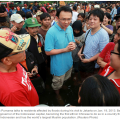
Bogor, West Java. The row over a ban on a church congregation from holding a service on Christmas Day continued on Tuesday as Bogor Mayor Bima Arya Sugiarto said the GKI Yasmin church was not recognized by the umbrella Christian organization.

“GKI Pengadilan does not recognize GKI Yasmin,” Bima said. “So, there is no such thing as the GKI Yasmin congregation.”

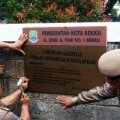
GKI Yasmin obtained a permit to open a church in Bogor in 2006, but the permit was later revoked by the municipal government following pressure from local hard-line Islamic groups. The building was eventually sealed by local authorities in 2010.

But a Supreme Court ruling later overruled the local authority decision, compelling Bima to reopen the church — something he has hitherto failed to do, previously citing unspecified reasons.

“I said [the church would not be allowed to conduct a Christmas service] based on the recognition of the official church organization, GKI Pengadilan, as the mother organization for Christian church congregations in Bogor,” Bima said on Tuesday.

Bima added that a lack of space was the problem, and that his decision was not a transparent attempt to curry favor with intolerant local Sunni Muslims — a view his critics have frequently aired. The current location had space for only 800 worshippers and that the church required a larger venue, he said.

Bima said he did not wish to prevent anyone from practicing their chosen faith and that his government would aim to find an alternative site for the worshippers.

“So don’t make it out as if this is a violation of religious freedom,” the mayor said. “It certainly is not. It’s [GKI Pengadilan] that proscribes them, so who’s being stubborn now?”

Bima said the city administration and GKI Pengadilan would meet to try and find a long-term solution. In the meantime, however, the congregation must not hold any service in public because it may disrupt public order, he said.

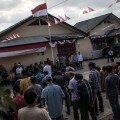
GKI Yasmin spokesperson Bona Sigalingging said that the GKI Yasmin congregation would stick to their plan to conduct Christmas service at their now-sealed church.

Bona said Bima was repeating the same line used by former Bogor mayor Diano Budiarto.

It was not up to the mayor to interfere or be guided by the internal politics of the churches, Bona said.

“We only hope that Bima Arya will focus on obeying the Supreme Court ruling and the ombudsman’s recommendation,” Bona said. “Those rulings have nothing to do with GKI’s internal situation.”

The latest incident is another setback for a congregation that has been forced to go to the country’s highest court in search of recognition.

Since 2012, scores of GKI Yasmin congregation members have held prayer meetings outside the State Palace to raise awareness that their house of worship remained sealed despite rulings from the Supreme Court and the Indonesian ombudsman.

Some see GKI Yasmin’s Kafkaesque plight as instructive of a wider problem of religious intolerance in Indonesia where local government heads contrive to stifle religious minorities’ freedom of expression using labyrinthine planning regulations — forcing local churches and Ahmadiyah mosques, for example, to go through a protracted legal battle to obtain recognition.

Church officials and worshippers repeatedly claimed that their pleas to previous president Susilo Bambang Yudhoyono to intervene fell on deaf ears — GKI Yasmin had hoped that newly elected President Joko Widodo would step in over what they see as a clear rejection of a Supreme Court order by an elected mayor, who had previously said that he hoped to handle the church dispute differently to his predecessor.

“How can we just let Bogor be — like it’s not a part of the Republic of Indonesia and the Supreme Court and Ombudsman decisions can be safely ignored?” GKI Yasmin spokesman Bona said in November.

Posted in Nasional, Persekusi, PerspektifComments (0)

Time to stop criminalizing beliefs in Indonesia

PICTURE: A man reacts as he checks the condition of an Ahmadiyah mosque in Tasikmalaya, West Java, after it was attacked by members of the hard-line Islamic Defenders Front (FPI) on May 5, 2013. (JG Photo/Rezza Estily)

By Rupert Abbott on 02:29 pm Nov 26, 2014

Jakarta Globe

Indonesia has come a long way on human rights since the end of the Suharto era. But despite the progress, there have been some serious setbacks over the past decade — not least when it comes to the issue of freedom of religion and expression.

The past ten years have been marked by shrinking space for religious pluralism, with those professing minority beliefs increasingly facing threats, violent attacks and imprisonment.

Across Indonesia, churches and mosques have been burned down, whole communities forced to flee because of their beliefs, and a range of laws and bylaws introduced to silence the expression of minority beliefs.

Last week, Amnesty International launched a new briefing on one particular aspect of this disturbing trend – Indonesia’s blasphemy laws.

Scores of people have been jailed under the blasphemy laws for nothing more than peacefully expressing their beliefs – some for simply voicing a “deviant” faith, others for “crimes” like posting their opinions on Facebook or whistling while praying or claiming to have received a “revelation from God.”

The numbers paint a sorry picture. Although the so-called blasphemy law has been on the books since 1965, it was rarely used until the last decade, with 13 convictions in almost 40 years. But during former President Susilo Bambang Yudhoyono’s time in office (2004-2014), Amnesty International has documented at least 106 individuals who have been jailed for blasphemy, some facing as long as five years behind bars.

Our research also reveals how blasphemy cases are mostly coordinated at the local level. Local officials, the police and hard-line Islamist groups are able to collude to harass religious minorities, using the blasphemy laws as one of their tools.

While the vast majority of convictions are under the 1965 blasphemy law, it has also inspired other laws used for the same purpose.

The Electronic Information and Transaction (ITE) Law, which governs use of the internet, contains blasphemy provisions, for example, that are often used to target people for social media posts.

One example is the case of Alexander Aan, which has received widespread international media attention. A 30-year old civil servant from West Sumatra province, An was fined and sentenced to two-and-a-half years in prison for “blasphemy,” after posting in an atheist Facebook group.

Before his conviction, Alexander was forced to seek police protection after an angry mob gathered outside his office and threatened to beat him up — a chilling example of the threat of vigilante violence often hanging over those accused of blasphemy.

The blasphemy laws clearly contravene Indonesia’s international obligations to uphold the rights to freedom of speech and freedom of religion or belief. Amnesty International considers all those imprisoned simply for peacefully expressing their religious beliefs to be prisoners of conscience.

President Joko “Jokowi” Widodo has a real opportunity to address this issue head-on, and to usher in a new era of respect for human rights in Indonesia, particularly for freedom of religion and expression.

As a first step, Amnesty International is calling for the immediate and unconditional release of all those jailed under the blasphemy laws — at least nine individuals at the time of writing.

A longer-term priority must be to repeal the blasphemy law and provisions in other laws that criminalize the expression of beliefs. They are simply incompatible with Indonesia’s international human rights obligations concerning freedom of expression and freedom of religion and belief — rights which are also guaranteed by Indonesia’s Constitution.

Many of the signals from Indonesia’s new administration are encouraging — Amnesty International looks forward to seeing pledges on human rights followed with real action.

Rupert Abbott is Amnesty International’s research director for Southeast Asia and the Pacific.

Posted in Nasional, PerspektifComments (0)

Ahmadiyah Kota Banjar menggunakan kembali aset masjid dan rumahnya

PENGURUS Jemaat Ahmadiyah Indonesia (JAI) di cabang Kota Banjar, Jawa Barat, pada hari Senin tanggal 17 November 2014 mengeluarkan surat pemberitahuan kepada walikota Banjar tentang penggunaan Masjid Al-Istiqamah dan rumah tinggal milik JAI di Kota Banjar.

Surat yang bernomorkan “03/JAIBJR/17/11/2014″ ditandatangani Ahmad Yunus selaku Ketua dan Maulana Mukhlis Ahmad yang merupakan muballigh setempat di cabang Kota Banjar tersebut.

Isi surat yang berlampirkan tiga eksemplar berkas itu adalah sebagai berikut:

“Kepada Yth.
Walikota Banjar
di Banjar

“Perihal: Pemberitahuan Penggunaan Masjid Al-Istiqamah dan Rumah Tinggal Milik Jemaat Ahmadiyah Kota Banjar

“Lampiran: Tiga Exemplar/Berkas

“Assalamu ‘alaikum warahmatullaahi wabarakatuhu!

“Salam silaturrahim kami sampaikan. Semoga Allah swt, melimpahkan hidayah dan ridla-Nya kepada Ibu Walikota dalam menjalankan tugas Bangsa dan Negara. Amien!

“Pemerintah Kota Banjar, melalui Surat Kepusan Nomor 450/Kpts.115-Huk/2011, telah menyatakan: membekukan Jemaat Ahmadiyah Indonesia Kota Banjar, melarang anggota Jemaat Ahmadiyah Indonesia Kota Banjar beraktifitas di Masjid al-Istiqamah, dan menetapkan: Masjid al-Istiqamah di Jalan Raya Pangandaran Dusun Tanjungsukur Kelurahan Hegarsari Kecamatan Pataruman Kota Banjar status quo. Surat di tetapkan di Banjar pada tanggal 21 September 2011, ditandatangani, Herman Sutrisno, Walikota Banjar. (Copy Surat Keputusan Walikota Banjar terlampir – lampiran I).

“Menyusul Surat Kepusan tersebut, Tim Penanganan Jemaat Ahmadiyah Kota Banjar melalui surat Nomor 08/TP-JAI/IX/2011, tanggal 26 September 2011, menyampaikan pemberitahuan bahwa aktifitas Ahmadiyah Kota Banjar telah dibekukan, dan oleh karena itu seluruh bangunan yang dijadikan sekretariat Ahmadiyah harus dikosongkan/tidak ditempati karena akan dilakukan penyegelan oleh aparat keamanan pada hari Kamis, tanggal 29 September 2011, waktu pukul: 09.00.

“Surat ditandatangani oleh Ketua Tim Penanganan Jemaat Ahmadiyah Kota Banjar, Drs. H. Undang Munawar M.Pd, Kepala Kantor Kementerian Agama Kota Banjar. (Copy surat tim penanganan JAI Kota Banjar terlampir – lampiran II)

“Kamis, tanggal 29 September 2011, pukul: 09.00, sesuai dengan surat pemberitahuan sebelumnya, Masjid al-Istiqamah dan Rumah Tinggal Imam Majsid/Mubaligh di tutup aparat keamanan, bahkan pintu masuk ke bagian belakang di las. Tragis dan ironis, di negara yang berketuhanan Yang Maha Esa, Tuhan dibelenggu, dan Maulana Mustaqim, (Imam Masjid/Mubaligh), WNI asli, terpaksa harus keluar rumah, cari kontrakan. Subhanallah. Inna lilaahi wa inna ilaihi raaji’uun.

“Mengingat dan menimbang:

“1. Pasal 28 E UUD 1945: (1) Setiap orang bebas memeluk agama dan beribadat menurut agamanya, memilih pendidikan dan pengajaran, memilih pekerjaan, memilih kewarganegaraan, memilih tempat tinggal di wilayah negara dan meninggalkannya, serta berhak kembali. (2) Setiap orang berhak atas kebebasan meyakini kepercayaan, menyatakan pikiran dan sikap, sesuai dengan hati nuraninya. (3) Setiap orang berhak atas kebebasan berserikat, berkumpul, dan mengeluarkan pendapat.

“2. Pasal 29 UUD 1945: (1) Negara berdasar atas Ketuhanan Yang Maha Esa (2) Negara menjamin kemerdekaan tiap-tiap penduduk untuk memeluk agamanya masing-masing dan untuk beribadat menurut agamanya dan kepercayaannya itu.

“3. SKB Menteri Agama, Jaksa Agung, dan Menteri Dalam Negeri Republik Indonesia, Nomor : 3 Tahun 2008, Nomor : KEP-033/A/JA/6/2008, Nomor : 199 Tahun 2008, tidak melarang Jemaat Ahmadiyah secara organisasi, juga tidak melarang warga Jemaat Ahmadiyah beribadah di Masjid dan menempati rumah tinggalnya.

“4. Presiden RI, Susilo Bambang Yudhoyono (SBY), pun mengakui: Negara tidak Melarang Ahmadiyah, tapi negara mengatur”.

“5. Pergub Jabar Nomor 12 Tahun 2011 juga tidak melarang Jemaat Ahmadiyah secara organisasi, juga tidak melarang warga Jemaat Ahmadiyah beribadah di Masjid dan menempati rumah tinggalnya.

“6. Jemaat Ahmadiyah Indonesia adalah organisasi legal formal berbadan hukum, dengan SK Menteri Kehakiman RI No. JA.5/23/13 Tgl.13-3-1953. Artinya, Jemaat Ahmadiyah Indonesia adalah organisasi yang mempunyai hak untuk hidup diseluruh wilayah Negara Kesatuan Republik Indonesia (NKRI).

“7. Warga Jemaat Ahmadiyah Indonesia adalah warga Negara Republik Indonesia. WNI asli putra kandung ibu pertiwi Indonesia.

“Maka, dengan ini kami beritahukan, Jemaat Ahmadiyah Indonesia Kota Banjar akan menggunakan kembali aset milik Jemaat Ahmadiyah Kota Banjar berupa rumah dan Masjid al-Istiqamah yang terletak di Jalan Raya Pangandaran Dusun Tanjungsukur Kelurahan Hegarsari Kecamatan Pataruman Kota Banjar, sebagaimana dijamin oleh konstitusi.

“Kami yakin, dengan semangat Pancasila, UUD 1945, Bhineka Tunggal Ika, NKRI, dan semangat kerja, kerja, dan kerja dari Presiden RI ke-7, Ir. Joko Widodo, dan Wakil Presiden Jusuf Kalla, dengan semangat Indonesia hebat, dan dengan semangat perubahan menuju Indonesia yang lebih baik, Pemerintah Kota Banjar tidak akan keberatan jika kami menggunakan kembali aset milik kami Jemaat Ahmadiyah Kota Banjar.

“Sebagai bahan pertimbangan, terlampir kami sampaikan sebuah makalah, berjudul: Indonesia Negara Pancasila Rumah Yang Aman Bagi Semua Pemeluka Agama dan Aliran Agama (Islam, Kristen, Katholik, Hindu, Budha, Konghucu – NU, Muhammadiyah, Ahmadiyah, Syi’ah, dll). (lampiran III).

“Demikian pemberitahuan ini kami sampaikan, mohon menjadi maklum dan mengetahui adanya. Terimakasih.

“Banjar, 17 Nopember 2014/24 Shafar 1436 H

“Wassalam, dan hormat:
“Ttd Ahmad Yunus, Ketua
“Ttd Mln. Mukhlis Ahmad, Mubaligh

“[1] Februari 2012, dan Kliping Warta Jateng, edisi Kamis, 16 Februari 2012, dalam makalah: Indonesia Negara Pancasila Rumah Yang Aman Bagi Semua … Lihat, Kliping inilah.com, edisi Rabu, 15

“Tembusan disampaikan kepada:
1. Yth. Presiden Republik Indonesia (sebagai laporan)
2. Yth. Menteri Dalam Negeri RI (sebagai laporan)
3. Yth. Menteri Agama RI (sebagai laporan)
4. Yth. Jaksa Agung RI (sebagai laporan)
5. Yth. Kapolri
6. Yth. Panglima TNI
7. Yth. Ketua KOMNAS HAM RI (sebagai laporan)
8. Yth. Ketua Ombudsman RI (sebagai laporan)
9. Yth. Gubernur Jawa Barat
10. Yth. Kapolda Jawa Barat
11. Yth. Pangdam III/Siliwangi
12. Yth. Kepala Kejaksaan Tinggi Jabar
13. Yth. Kepala Kantor Kementerian Agama Jabar
14. Yth. Kapolresta Banjar
15. Yth. Dandim 0613/Ciamis
16. Yth. Danyon 323/Kota Banjar
17. Yth. Kajari Kota Banjar
18. Yth. Kepala Kantor Kementerian Agama Kota Banjar
19. Yth. Kepala Satpol PP Kota Banjar
20. Yth. Ketua MUI Kota Banjar
21. Yth. Camat Pataruman
22. Yth. Kapolsek Pataruman
23. Yth. Danramil Pataruman
24. Yth. Kepala KUA Pataruman
25. Yth. Lurah Hegarsari, Kec. Pataruman
26. Yth. Ketua RW/RT Tanjungsukur
27. Yth. Amir Nasional Jemaat Ahmadiyah Indonesia
28. Yth. Amir Wilayah Jawa Barat Jemaat Ahmadiyah Indonesia
29. Yth. Amir Daerah Priangan Timur Jemaat Ahmadiyah Indonesia
30. Arsip”

Press Rilis JAI Wilayah Priangan Timur | DMX | WA

Posted in Nasional, Siaran PersComments (0)

Kebebasan beragama, warisan SBY, pekerjaan rumah Jokowi

DAFTAR lain, kelompok Ahmadiyah yang sudah hampir delapan tahun terkatung-katung di pengungsian di Asrama Transito Mataram, Nusa Tenggara Barat.

Kompas.com

KOMPAS.com – PRESIDEN Susilo Bambang Yudhoyono telah mengakhiri pemerintahannya dan kini digantikan Presiden Joko Widodo. Bersamaan dengan itu, berbagai masalah lama diwariskan kepada pemerintahan baru, termasuk kasus-kasus pelanggaran kebebasan beragama dan berkeyakinan.

Bagaimana petanya?

”Kami masih mengungsi. Rencana Presiden SBY memulangkan kami sudah mentok,” kata Iklil Almilal (43), juru bicara pengungsi Syiah asal Sampang, di Rumah Susun Jemundo, Sidoarjo, Jawa Timur.

Saat dihubungi dari Jakarta, Rabu (22/10), Iklil bercerita, dulu betapa girang perwakilan pengungsi saat diterima SBY di rumahnya di Cikeas, Bogor, Juli 2013.

Presiden berjanji memulangkan mereka ke Sampang, dan dibentuk tim rekonsiliasi yang dipimpin Rektor Institut Agama Islam Negeri Sunan Ampel Surabaya Abd A’la. ”Pak SBY bilang, insya Allah, bapak-bapak akan kembali ke kampung Lebaran nanti,” kata Iklil menirukan ucapan Presiden SBY.

Namun, hingga masa jabatan Presiden SBY berakhir 20 Oktober 2014, janji itu kandas. Sebanyak 73 keluarga (173 jiwa) kelompok Syiah masih mengungsi. Tak bisa andalkan bantuan makan Rp 709.000 per jiwa per bulan, mereka berjibaku bekerja serabutan. ”Kami kecewa tak bisa pulang kampung untuk bertani dan beternak seperti dulu,” kata Iklil.

Kelompok Syiah terusir dari Desa Karanggayam, Kecamatan Omben, dan Desa Bluuran, Kecamatan Karangpenang, Sampang, akibat serangan massa, 26 Agustus 2012. Kekerasan itu menewaskan satu orang, melukai 10 orang, dan 46 rumah terbakar. Jika dihitung sejak tinggal sementara di GOR Sampang sebelum dipindah ke Rumah Susun Jemundo, dua tahun dua bulan sudah mereka mengungsi.

Terbengkalai

Kisah sedih pengungsi Syiah salah satu dari daftar kasus pelanggaran kebebasan beragama di Indonesia yang terbengkalai selama pemerintahan Presiden SBY.

Daftar lain, kelompok Ahmadiyah yang sudah hampir delapan tahun terkatung-katung di pengungsian di Asrama Transito Mataram, Nusa Tenggara Barat. Begitu pula penyegelan Gereja Kristen Indonesia Yasmin di Bogor, Jawa Barat (berlangsung 5 tahun); izin pendirian masjid di Baluplat, Nusa Tenggara Timur (3 tahun); dan penyegelan Gereja Huria Kristen Batak Protestan Filadelfia di Bekasi (2 tahun).

Saat bersamaan, marak pelanggaran kebebasan beragama dan berkeyakinan, terutama lima tahun terakhir. Berdasarkan laporan The Wahid Institute, ada 121 peristiwa pada 2009. Jumlah ini meningkat jadi 184 peristiwa tahun 2010, 267 peristiwa (2011), dan 278 peristiwa (2012). Tahun 2013, jumlahnya sedikit menurun jadi 245 peristiwa, tetapi kasusnya kian menyebar.

Laporan serupa disampaikan Setara Institute, Maarif Institute, Human Rights Watch, Human Rights Working Group di Indonesia, dan Litbang Kementerian Agama RI. Pelanggaran itu dilakukan aparat negara dan masyarakat. Bentuknya beragam: serangan terhadap kelompok berbeda, pelarangan terhadap aliran yang dicap sesat, pelarangan/penyegelan rumah ibadah, atau kriminalisasi atas nama agama.

Mengapa kondisi itu bisa terjadi pada masa pemerintahan Presiden SBY? Menurut Program Officer The Wahid Institute Alamsyah M Dja’far, pemerintahan saat itu tidak serius menjalankan Pancasila dan UUD 1945 yang menjamin kemerdekaan penduduk untuk memeluk agamanya masing-masing dan untuk beribadat menurut agama dan kepercayaannya.

Pekerjaan rumah

Berbagai kasus yang terbengkalai itu kini menjadi pekerjaan rumah pemerintahan Presiden Joko Widodo. Ketua Badan Pengurus Setara Institute Hendardi meminta Jokowi menangani berbagai kasus pelanggaran, khususnya pengungsi dan eksekusi putusan hukum terkait rumah ibadah.

Presiden Jokowi telah memilih kembali Lukman Hakim Saifuddin sebagai Menteri Agama dalam kabinetnya. Seusai pelantikan, Selasa (29/10), Lukman berjanji menyelesaikan kasus-kasus lama yang terbengkalai itu. ”Kami terus mencari solusi. Karena kompleksitas masalahnya, kami harus uraikan secara utuh. Mudah-mudahan ada jalan keluar,” katanya. (Ilham Khoiri)

Ikuti perkembangan berita ini dalam topik: Indonesia Baru

_
Editor: Sandro Gatra
Sumber: KOMPAS CETAK

Posted in Nasional, PerspektifComments (0)

Australia needs to talk human rights issues with Indonesia

THOSE targeted include Muslim sects such as the Shia and the Ahmadiyah as well as Christians and adherents to nativist beliefs.

The Canberra Times; Andreas Harsono

PRIME Minister Tony Abbott had the opportunity to restart his “more Jakarta, less Geneva” foreign policy when he attended the inauguration of Indonesia’s new president, Joko “Jokowi” Widodo yesterday. Abbott now also has a rare and vital opening to engage on human rights issues.

Such engagement is crucial for Australia to maintain a strong and sustainable bilateral relationship with its northern neighbour. Indonesia’s human rights situation has deteriorated over the decade of Susilo Bambang Yudhoyono’s presidency, and Australia can and should play an important role in encouraging Widodo to act quickly to end increasing abuses.

The alarming rise in religious intolerance and related violence in Indonesia should be a priority in Australia’s engagement with Widodo and his government. Yudhoyono was reluctant to act against Islamist militants who attack religious minorities, or to revise discriminatory regulations. Those targeted include Muslim sects such as the Shia and the Ahmadiyah as well as Christians and adherents to nativist beliefs. According to the Setara Institute, a non-profit think tank monitoring religious freedom, incidents of religious violence increased from 91 cases in 2007 to 220 cases in 2013. Widodo himself has made a good start by stating that he will protect the constitutional rights of the country’s minorities.

Since 1963, successive Indonesian governments have blocked international media form visiting Papua -including Australian media – to allow only those foreign reporters who get special official permission. Two French reporters, detained in Papua since August 6 for “illegal reporting,” are the most recent victims of Indonesia’s Papua censorship obsession.

Widodo visited Papua on June 5 and told reporters that if elected president he would open access to Papua for foreign journalists and international organisations. On October 1, the Australian Senate passed a motion calling for Indonesia to release the two journalists as a sign of Jokowi’s “commitment to a more open” Papua. Abbott should support Widodo’s intention to lift restrictions on foreign journalists from freely reporting in Papua.

The Australian government should also support redress for Indonesia’s many victims of abuses committed by government security forces over the years. Ten years ago, outspoken Indonesian human rights advocate Munir was murdered. Despite evidence implicating Indonesia’s domestic intelligence agency, the masterminds of his killing have evaded justice. Munir is one of many victims of a culture of impunity rooted in Indonesia’s three decades of authoritarian rule where successive Indonesian governments have failed to prosecute the worst offenders or provide redress.

Widodo has publicly committed to investigating the arrest, torture and enforced disappearance of dozens of pro-democracy activists by security forces in the dying months of the Suharto regime. The Australian government should impress upon Widodo that the rule of law requires a meaningful and transparent accounting of all serious abuses.

The Australian and Indonesian governments also have an opportunity to work together to address their mutual failings in respecting international standards of protection for refugees and asylum seekers. In 2013, the Australian government introduced pernicious policies designed to deter asylum seekers, including mandatory offshore processing of asylum seekers arriving by boat, “enhanced screening” or fast-tracked deportations after cursory interviews, and withdrawing government-provided legal assistance to asylum seekers. Australian defence officials charged with the asylum-seeker response now regularly refuse to answer questions from journalists, citing vague “national security” concerns at the expense of the public’s right to information.

The Indonesian government likewise has a dismal record in respecting the rights of migrant and asylum-seekers, including children. Hundreds of migrant and asylum-seeking children are detained every year in sordid conditions, without access to lawyers, and sometimes beaten. Others are left to fend for themselves, without any assistance with food or shelter.

The Australian government should respect its obligations under the 1951 Refugee Convention, which it ratified in 1954. The Indonesian parliament should ratify the convention as soon as possible to ensure that refugees and asylum seekers, including children, receive the convention’s protections.
Addressing Indonesia’s human rights problems demands that President Widodo allocate no small amount of political capital and sustained political will. Abbott can play an important role in the success of those efforts by signalling his support for Widodo’s moves to make universal rights a key part of his administration.

_
Andreas Harsono is Indonesia researcher for Human Rights Watch.

Posted in Nasional, PerspektifComments (0)

Minister promises bill to protect religious minorities

LUKMAN said the new bill would target the closures and attacks on churches and Shiite and Ahmadiyah mosques, one of the most egregious symptoms of the quasi-institutional discrimination of religious minorities stemming from the near-impossible administrative requirements laid out in a 2006 joint decree from the Religious Affairs Ministry and Home Affairs Ministry for congregations of any faith seeking a permit to build a house of worship.

Jakarta Globe

Jakarta. The lone minister to survive the cut to President Joko Widodo’s cabinet from the previous administration has unveiled plans to draft a bill that would afford unprecedented protection to religious minority groups, continuing where he left off in his battle against rising religious intolerance.

“Over the next six months, we will work on this bill to protect all religious groups, including those outside the six main religions of Islam, Catholicism, Protestantism, Hinduism, Buddhism and Confucianism,” Lukman Hakim Saifuddin, the minister for religious affairs, said at a press conference in Jakarta on Wednesday.

“The bill will protect everyone’s religious right, especially the rights guaranteed by the Constitution,” he said. “First, the right to believe in whatever they choose to put their faith in. There should be a guarantee that everyone is free to choose their own religion or belief. Second, the independence for anyone to practice their belief.”

He added he hoped that “the bill can improve the quality of living in Indonesia.”

Lukman was inaugurated in June, in the twilight of the Susilo Bambang Yudhoyono administration, following the naming of the previous minister, Suryadharma Ali, as a graft suspect. In the short time since then he has shown a more conciliatory stance than his predecessors on engaging with minority religious groups, including Shiite and Ahmadi Muslims — with whom he held an unprecedented breaking of the fast during Ramadan in July.

Suryadharma, by contrast, was known for his hostility toward these groups, including a public call for the Ahmadis to recant their “heretical” beliefs.

Lukman said the new bill would target the closures and attacks on churches and Shiite and Ahmadiyah mosques, one of the most egregious symptoms of the quasi-institutional discrimination of religious minorities stemming from the near-impossible administrative requirements laid out in a 2006 joint decree from the Religious Affairs Ministry and Home Affairs Ministry for congregations of any faith seeking a permit to build a house of worship.

“The bill will have many implications, including in terms of the permit to build places of worship,” the minister said. “There should be a clearer and stronger regulation for this issue. Of course we need suggestions from the public so we can accommodate their needs and interests.”

One of the requirements stipulated in the joint decree is for applicants to get the signed approval for their house of worship from the heads of 60 neighboring households of a different faith. In Muslim majority Indonesia, Christian, Shiite and Ahmadi applicants have almost invariably failed to get the required number, while a few cases have been reported in parts of eastern Indonesia, which has a large Christian population, of Muslims not being allowed to build mosques.

Lukman also promised to address the long-running issue of Shiite and Ahmadi communities being driven from their homes by mobs of Sunni Muslims — often with the support of the local police.

“It’s a complex problem,” he conceded. “It involves things related to officials like the police, issues with local governments, problems within the local community, and admittedly, problems related to religious beliefs.

“The steps taken should be integrated and not partial. We’re working on it. Now we’re communicating intensively with local governments where refugees [of religious pogroms] are staying. Hopefully we can come up with the solutions,” Lukman said.

He added his ministry would also work with local Islamic clerics — who are often instrumental in inciting hostilities against minority groups — to get them to embrace religious tolerance.

“We’ll hold interfaith forums for religious teachers to make sure that everyone has the same standing,” he said. “Even though we have different beliefs, all religions teach the same lesson of promoting humanity — making humans human.”

_
By Adelia Anjani Putri on 12:48 p.m., Oct 30, 2014

PIC: Religious Affairs Minister Lukman Hakim Saifuddin says all Indonesians should be allowed to follow and practice their own beliefs, free from persecution. (Antara Photo/Mohamad Hamzah)

Posted in Nasional, PerspektifComments (0)

New home minister to delve into minority issues

THE Commission for Missing Persons and Victims of Violence (Kontras) recorded 21 bylaws that had been issued by regional governments between 2005 and 2011 to disband any religious activities by members of the Ahmadiyah community, putting the Ahmadis under threat from locals and radical organizations.

The Jakarta Post

Newly appointed Home Minister Tjahjo Kumolo has said that he will scrutinize problems faced by minority groups over the past decade.

The Indonesian Democratic Party of Struggle (PDI-P) politician said that he would make an inventory of what could be categorized as minority problems.

“We will ask [for data] on what has happened in the past decade,” he said on the sidelines of the Cabinet inauguration on Monday at the Presidential Palace.

He added that he would soon summon governors, mayors and regents to hear directions regarding a plan on financial austerity from President Joko “Jokowi” Widodo.

“We will deliver messages from Bappenas [the National Development Planning Board] and the Finance Ministry so that regional heads can understand about the limitation of [the current] state budget and will be able to anticipate [conditions],” said Tjahjo, referring to soaring fuel prices that may push the Jokowi administration to relieve some subsidies to make larger fiscal room for development programs.

Tjahjo, who is currently still serving as PDI-P secretary-general, is among five PDI-P members appointed in the new Cabinet.

A career politician and lawmaker, Tjahjo has never acquired public office before. The nationalistic background of the PDI-P, however, has given hope that he will be able to reform the conservative approach of home ministers from the time of the Susilo Bambang Yudhoyono administration.

Previously, Yudhoyono preferred to give the ministerial post to former military officers or local bureaucrats, which led to violent incidents with religious minority groups.

Human rights watchdogs recorded a rising number of incidents among religious groups during Yudhoyono’s two terms.

The Commission for Missing Persons and Victims of Violence (Kontras) recorded 21 bylaws that had been issued by regional governments between 2005 and 2011 to disband any religious activities by members of the Ahmadiyah community, putting the Ahmadis under threat from locals and radical organizations.

A political analyst from the Indonesian Civilized Circle (Lima), Ray Rangkuti, suggested that Tjahjo would be more open-minded in handling sectarian conflicts compared to his predecessor Gamawan Fauzi.

“Looking at his character and his background as a [PDI-P] politician, I believe that Tjahjo will be more tolerant. He tends to go against mass organizations that often create trouble, such as the Islam Defenders Front [FPI], but he will handle those according to regulations,” Ray said.

Human rights defender Hendardi, who chairs human rights watchdog the Setara Institute, said that the first challenge for Tjahjo would be to end discrimination against minorities like the Ahmadi and Shia groups.

He was referring to the Islamic sect of the Shia community based in Sampang, East Java, whose hundreds of members remain banned from returning home after they were forcibly evicted from their villages when their homes were burned by a group of people claiming to be representatives of the majority Sunni Muslims in August 2012.

Similarly, members of the Ahmadiyah community in Ketapang, West Nusa Tenggara (NTB), have been living in a local shelter after a mob claiming to be members of the Sunni majority attacked and burned their houses eight years ago.

Adding to discrimination imposed on the country’s religious minorities, the GKI Yasmin church in Bogor, West Java, has remained sealed for more than 10 years despite a ruling by the Supreme Court, the country’s highest legal institution, stipulating its legitimacy.

“[Along with the Religious Affairs Ministry and the Law and Human Rights Ministry] Tjahjo must also revoke all laws and regulations that accommodate discrimination against the country’s religious minority groups, such as, among other things, the bans on Ahmadiyah as well as a 2006 joint ministerial decree on places of worship,” Hendardi said.

The 2006 joint ministerial decree stipulates that congregation members must secure approval from at least 60 local residents of different faiths and the government-sponsored Regional Interfaith Harmony Forum (FKUB) before establishing a house of worship.

Robert Endi Jaweng, executive director of the Regional Autonomy Watch (KPPOD), specifically called on Tjahjo to keep a close watch on the development of Aceh and Papua, two provinces are that still marred with political instability, as well as economic and security concerns.

“I was hoping that the new home minister would be someone who has experience in governing. But now, we have Tjahjo, a politician. He may face challenges in building communication with special regions, particularly Aceh and Papua, and coordinating with respective ministries to ensure that sufficient funds and the right policies are in place to propel these regions’ development,” he said. (idb)

_
Hasyim Widhiarto contributed to this article
PIC: Tjahjo Kumolo. JP

Posted in Nasional, PerspektifComments (0)

Catatan 10 tahun pemerintahan SBY (Bagian 9)

6 Februari 2011: Terjadi penyerbuan terhadap 15 warga Ahmadiyah di Desa Umbulan, Kecamatan Cikeusik, Pandeglang, Banten yang menyebabkan Tiga warga tewas dan tujuh luka-luka. Kejadian itu menggaris bawahi tudingan maraknya persekusi terhadap minoritas sepanjang pemerintahan SBY.

Republika Online (ROL)

REPUBLIKA.CO.ID, JAKARTA — Presiden Susilo Bambang Yudhoyono tinggal hitungan hari lagi akan menyerahkan tampuk kekuasaannya pada presiden terpilih Joko Widodo. Pelantikan presiden baru akan dilakukan Senin 20 Oktober 2014.

Dalam kepemimpinan dua periodenya, SBY sudah banyak berbuat baik bagi negara ini. Tapi banyak juga kekurangannya. Berikut catatan peristiwa dan kebijakan 10 tahun Pemerintahan SBY:

17 Januari 2011:
Presiden SBY mengeluarkan dua belas instruksi percepatan penuntasan kasus mafia hukum dan mafia pajak menyusul terbongkarnya kasus korupsi pegawai pajak Gayus HP Tambunan. SBY juga mengeluarkan empat instruksi untuk penuntasan kasus hukum Bank Century.

6 Februari 2011:
Terjadi penyerbuan terhadap 15 warga Ahmadiyah di Desa Umbulan, Kecamatan Cikeusik, Pandeglang, Banten yang menyebabkan Tiga warga tewas dan tujuh luka-luka. Kejadian itu menggaris bawahi tudingan maraknya persekusi terhadap minoritas sepanjang pemerintahan SBY.

16 Maret 2011:
Kapal MV Sinar Kudus dibajak perompak di perairan Somalia. Kapal dan seluruh awaknya berhasil dibebaskan dengan negoasiasi dan campur tangan TNI atas perintah SBY.

31 Juli 2011:
17 orang tewas dalam bentrok proses pendaftaran Pilkada Puncak, Papua.

7 Agustus 2011: Buron kasus Wisma Atlet, mantan bendahara umum Partai Demokrat M Nazaruddin tertangkap di Kolombia. Tertangkapnya Nazaruddin berujung pengungkapan kasus korupsi lain oleh kader partai bentukan SBY tersebut.

26 September 2011:
SBY mendatangani Perpres tentang Rencana Aksi Nasional Penurunan Emisi Gas Rumah Kaca (RAN-GRK) sebagai tindaklanjut janji Indonesia untuk menekan emisi karbon hingga 26 persen.
15 Desember 2011:
Lembaga pemeringkat Fitch Ratings menaikkan peringkat investasi Indonesia mencapai tingkat investment grade.

5 Maret 2012:
Pemerintah mengumumkan adanya rencana penggulingan SBY melalui aksi unjuk rasa sehubungan kebijakan pemerintah menaikkan harga BBM.

31 Maret 2012:
DPR mengganjal rencana pemerintah menaikkan harga BBM, namun memberi keleluasaan peningkatan harga BBM jika dalam enam bulan selepasnya ada perubahan signifikan harga minyak mentah.

20 Mei 2012:
SBY memberikan pengurangan masa hukuman bagi terpidana kasus narkotika asal Australia, Schapelle Leigh Corby.

(bersambung…)

Posted in Nasional, PerspektifComments (0)

Komnas HAM nilai kebebasan beragama periode SBY

MISALNYA, kasus yang melibatkan komunitas Syiah dan Ahmadiyah. Juga penutupan rumah ibadah, seperti di Aceh Singkil, tempat 17 gereja ditutup; dan penutupan lima gereja di Yogyakarta. “Sampai saat ini penyelesaiannya tidak ada,” kata Rahmat.

TEMPO.CO, Jakarta – Komisioner Pelapor Khusus Kebebasan Beragama dan Berkeyakinan Komisi Nasional Hak Asasi Manusia, M. Imdadun Rahmat, mengatakan pemerintah Susilo Bambang Yudhoyono gagal melindungi masyarakat dalam menjalankan kebebasan beragama dan berkeyakinan (KBB).

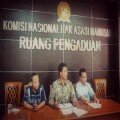
“Komnas HAM kecewa dengan pemerintahan SBY,” ujar Rahmat saat ditemui Tempo di kantor Komnas HAM, Jalan Latuharhary 4B, Menteng, Jakarta Pusat, Kamis, 4 September 2014.

Menurut Rahmat, sampai saat ini masih banyak kasus seputar KBB yang tidak dituntaskan pemerintah SBY. “Bahkan seratus hari terakhir pemerintahan SBY tidak ada menyinggung kasus KBB,” ujarnya. (Baca: Komnas PA Minta Penitipan Anak Diawasi Lebih Ketat)

Sebelumnya, menurut Komnas HAM, pemerintah SBY tidak melakukan tugasnya melindungi warga negara Indonesia dalam menjalankan KBB. Ada banyak kasus menyangkut KBB yang tidak diselesaikan hingga sekarang.
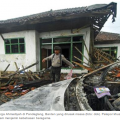
Misalnya, kasus yang melibatkan komunitas Syiah dan Ahmadiyah. Juga penutupan rumah ibadah, seperti di Aceh Singkil, tempat 17 gereja ditutup; dan penutupan lima gereja di Yogyakarta. “Sampai saat ini penyelesaiannya tidak ada,” kata Rahmat.

Karena itu, Komnas HAM menilai pemerintah SBY gagal dan memang tidak berkomitmen memenuhi hak warga menjalankan KBB. “Masih banyak pelanggaran dan diskriminasi kepada kelompok minoritas,” katanya.

Menurut Rahmat, sudah seharusnya pemerintah mendatang, di bawah pimpinan Joko Widodo-Jusuf Kalla, mengupayakan penyelesaian berbagai kasus kebebasan beragama dan berkeyakinan yang ditinggalkan rezim SBY.

“Mau kapan lagi diselesaikan kalau tidak oleh Jokowi?” ujarnya. Apalagi, Rahmat melanjutkan, salah satu visi-misi Joko Widodo-Jusuf Kalla adalah penegakan hak asasi manusia. “Sudah pas dan wajib dijalankan oleh Jokowi,” katanya.

ODELIA SINAGA

_
Dikutip juga oleh: UCA News

Posted in Nasional, Persekusi, PerspektifComments (0)

Komnas HAM tagih janji Jokowi soal Ahmadiyah

Pertama, memberikan kepastian hukum dengan memberikan perlindungan melalui akses kebenaran, keadilan dan pemulihan bagi korban pengungsian Ahmadiyah di Mataram, pengungsi Syiah Sampang, jemaat HKBP Filadelfia Bekasi, jemaat GKI Yasmin Bogor, jamaah Masjid di Batuplat NTT dan jamaah mushalla di Denpasar, Bali.

Harian Terbit

Jakarta, HanTer – Komisi Nasional Hak Asasi Manusia (Komnas HAM) menagih komitmen Joko Widodo (Jokowi) atas penegakan perlindungan dan pemajuan hak beragama, berkeyakinan dan beribadah, yang tertuang dalam visi dan misi Presiden terpilih itu.

“Dalam visi dan misinya Presiden terpilih berkomitmen atas penegakkan HAM, salah satunya perlindungan dan pemajuan atas hak beragama, berkeyakinan dan beribadah, namun patut dimasukkan ke dalam program prioritas kerja nyata di awal pemerintahan baru,” ujar Komisioner Komnas HAM Imdadun Rahmat dalam konferensi pers di Jakarta, Kamis.

Imdadun menyampaikan sedikitnya terdapat lima hal terkait kebebasan beragama, yang patut dipertimbangkan Jokowi dalam program prioritas di kabinetnya.

Pertama, memberikan kepastian hukum dengan memberikan perlindungan melalui akses kebenaran, keadilan dan pemulihan bagi korban pengungsian Ahmadiyah di Mataram, pengungsi Syiah Sampang, jemaat HKBP Filadelfia Bekasi, jemaat GKI Yasmin Bogor, jamaah Masjid di Batuplat NTT dan jamaah mushalla di Denpasar, Bali.

Kedua, mengevaluasi pelaksanaan Peraturan Bersama Menteri Agama dan Menteri Dalam Negeri (PBM) Nomor 8 dan 9 Tahun 2006 tentang Pedoman Pelaksanaan Tugas Kepala Daerah/Wakil Kepala Daerah dalam Kerukunan Umat Beragama, Pemberdayaan Forum Kerukunan Umat Beragama dan Pendirian Rumah Ibadat, karena PBM itu dinilai diskriminatif.

“Pertimbangan kuantitatif dukungan warga dalam pendirian rumah ibadat pada dasarnya hanya memberikan proteksi berlebihan bagi umat mayoritas, sementara kelompok minoritas agama dilanggar,” ujarnya dikutip Antara.

Ketiga, mencabut Keputusan Bersama Menteri Agama, Jaksa Agung dan Menteri Dalam Negeri RI Nomor 3 Tahun 2008 tentang Peringatan dan Perintah kepada Penganut, Anggota dan/atau Anggota Pengurus Jemaat Ahmadiyah Indonesia (JAI) dan Warga Masyarakat, karena kebijakan itu dinilai formal dan substansial bertentangan konstitusi. “Keberadaan SKB itu menjadi pemicu munculnya aksi-aksi kekerasan terhadap kelompok Ahmadiyah di Indonesia,” kata dia.

Keempat, mempertimbangkan pentingnya UU Kebebasan Beragama dan Berkeyakinan sebagai konsekuensi logis jaminan perlindungan hak atas kebebasan beragama dan berkeyakinan kepada seluruh rakyat, sebagaimana ditegaskan dalam pertimbangan hukum Mahkamah Konstitusi.

Kelima, membentuk Panitia Khusus yang bertugas melakukan penyelesaian kasus-kasus dan pemajuan hak atas kebebasan beragama dan berkeyakinan di Indonesia untuk memastikan dilaksanakannya rekomendasi sebagaimana disebutkan dalam butir satu hingga empat sebagai kebijakan prioritas Presiden terpilih.
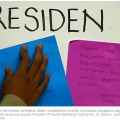
Menurut Imdadun hak kebebasan beragama dan berkeyakinan menjadi persoalan yang tidak kunjung diselesaikan. Pemerintahan Susilo Bambang Yudhoyono dinilainya telah gagal menegakkan kebebasan berkeyakinan.

Dia berharap Jokowi tidak mengulangi kegagalan pemerintahan Yudhoyono itu. “Pemerintahan SBY gagal menegakkan kebebasan berkeyakinan. Kami tidak ingin kegagalan ini diteruskan pemerintahan baru, sehingga kami mengusulkan dalam program 100 hari pemerintahan baru agar dimasukkan agenda ini dalam prioritasnya,” ujar dia.
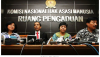
Dia menekankan selama ini terdapat beberapa kasus yang menjadi perhatian nasional dan internasional, yang menunjukkan kegagalan pemerintahan SBY, seperti fakta warga Ahmadiyah di NTB dan Syiah di Sampang yang harus hidup di pengungsian.

“Dua kasus ini potret yang terang benderang bahwa pemerintah gagal menjalankan kewajibannya. Ini kami sebut gagal, karena Komnas HAM sudah berupaya maksimal berkomunikasi dengan Presiden (Yudhoyono), tapi rekomendasi kami tidak dijalankan,” tegas dia.
(Anu)

Posted in Nasional, Persekusi, PerspektifComments (0)

Page 1 of 41234

@WartaAhmadiyah

Tweets by @WartaAhmadiyah

http://www.youtube.com/user/AhmadiyahID

Kanal Youtube


Tautan Lain


alislam


alislam


alislam


alislam

Jadwal Sholat

shared on wplocker.com