W3vina.COM Free Wordpress Themes Joomla Templates Best Wordpress Themes Premium Wordpress Themes Top Best Wordpress Themes 2012

Tag Archive | "interfaith"

‘Time of Tolerance’ may be coming to end in Indonesia

Jakarta Globe

Politics of Peace: Focus on national elections has been touted as the cause behind decreased religious violence in 2014

By Kennial Caroline Laia on 12:14 am Dec 29, 2014

Jakarta. The absence of major cases of violence stemming from religious intolerance in Indonesia this year by no means indicates that the issue has been resolved. Observers noted that political euphoria during Indonesia’s election year has diverted many sentiments of intolerance to the political arena, while poor law enforcement is still considered a main culprit behind lingering, if not growing intolerance.

Islamic scholar Azyumardi Azra said the condition of religious tolerance in Indonesia this year was better than last year in that there were no major cases as had been recorded in previous years.

“Overall, this year is much better than last year. Public tolerance has improved. There’s no big case we should be alarmed of,” Azyumardi told the Jakarta Globe last week.

The history professor from Syarif Hidayatullah State Islamic University, however, scrutinized the intense use of religious sentiment during the elections, for both the legislative elections on April 9 and the presidential race on July 9.

“One thing that must be highlighted this year is the utilization of religion as political means during presidential campaigns,” he said, referring especially to rampant smear campaign against candidate Joko Widodo, who has become Indonesia’s seventh president.

Joko, a Javanese-born Muslim, was called a Chinese Christian, a missionary, a Zionist underling and a communist agent, among other things, in smear messages circulating freely via text messages, chat services and social media platforms among Indonesian voters.

Azyumardi said it was luck that although many voters might have been swayed by the smears, none were inspired to commit violence.

“Fortunately, [the use] of religious sentiments appear to have had no significant effect on voters in that they didn’t ignite violence,” he said.

Muhammad Nurkhoiron, a commissioner with the National Commission on Human Rights, better known as Komnas HAM, said the election festivities rendered religious intolerance issues abandoned this year, resulting in no significant progress being made to address the problem.

“In 2014, no specific policy has been made to ensure better minority protection because of focus on the electoral process between April and July,” Nurkhoiron said last week.

He called efforts to improve religious tolerance in Indonesia a “stagnant” process.

“There are still rallies on minorities’ places of worship, hate speeches in social media and even public demonstrations against a Chinese Christian government official.”

He was referring to Jakarta Governor Basuki Tjahaja Purnama, formerly deputy governor to Joko, whose ascent to the top job in the capital was marked with rallies by hard-line groups such as the Islamic Defenders Front (FPI) who objected to predominantly Muslim Jakarta being ruled by a Christian governor.

Among cases of religious intolerance that made media headlines in Indonesia this year are an FPI attack against members of the minority Islamic sect Ahmadiyah in Ciamis, West Java in June; the ban on hijab in a number of schools in predominantly Hindu Bali; and the attack on a house hosting a Catholic mass in Yogyakarta in May.

Nurkhoiron said radical mobs especially had been encouraged to keep launching attacks against the minority due to poor law enforcement. Even in the absence of a law specifically guaranteeing the right to religious freedom for minorities, any cases of violence and assaults should be considered crimes, in line with the Criminal Code.

“The police must protect the people, both from the minority and the majority. Sadly, the police often take side with the majority,“ he said.

Nurkhoiron added the intolerance and violence cases were often encouraged or aggravated by some regulations, as well as fatwas issued by local ulema, such as edits of the Indonesian Council of Ulema, or MUI.

Hard-line groups such as the FPI have based their violent protests against the Ahmadist on an edict issued by the MUI in 2005 that read: “Ahmadiyah isn’t part of Islam. It is deviant and misleading. Therefore, people who adhere to the religion are infidels.”

“An edict isn’t a law product but is a social product created by and applied for certain communities. Should the edict violate the existing and official laws, it is the task of law enforcers to warn people [against the edict],” he said.

The Jakarta Globe attempted to contact MUI chairman Din Syamsuddin for comment, but he didn’t return the Jakarta Globe’s calls and text messages.

An outdated, but still often used decree issued by Indonesia’s first president Sukarno in 1965 is another example of discriminatory regulations against Muslims who have different interpretations on Islam from the mainstream Muslim communities, Nukhorison added.

Despite the little progress, he said 2014 offered a ray of hope.

“The religious minister this year has given a green light to support minority groups. We are waiting for [the realization],” Nurkhoiron says.

Religious Affairs Minister Lukman Hakim Saifuddin last week said the ministry was drafting a bill on religious tolerance that would guarantee one’s right to freedom of religion, including protection of minority religious groups.

Earlier in July, Lukman won praise from rights activists and minority groups as he said he recognized Baha’i as a faith, although he later clarified that it was his personal opinion, not a policy of the government.

Indonesia recognizes six official religions: Islam, Protestantism, Catholicism, Buddhism, Hinduism and Confucianism.

Haris Azhar, coordinator of the Commission for Missing Persons and Victims of Violence (Kontras), emphasized the need for real actions in the form of law enforcement against those who commit violence on behalf of religion.

“So far, there haven’t been real actions made by the government to address intolerance cases in many areas in Indonesia. Although there has been statement from the minister, I’m afraid it could be no more than a saccharine promise,” Haris said.

“The government often forgets that intolerance cannot be addressed by mere stack of papers consisting of regulations. No matter how many laws you propose, without firm actions by from law enforcers, there will still be groups that commit violence on behalf of religion.”

He further added that the drafted bill would be useless if the government did nothing to revoke bylaws that were against the spirit of the bill.

Bylaws in several regions in Indonesia have been subject to rights activists’ criticism because they are considered discriminatory, most notably in Aceh, the only province in Indonesia allowed to adopt the sharia bylaw following its history of secessionist rebellion.

Azyumardi added it was also imperative for the government to take proactive measures to prevent religious-based violence by bridging the gap between interfaith communities in Indonesia.

“We must consolidate our democracy locally. If not, people will get more fragmented and more violence are likely to happen,” Azyumardi says.

Meanwhile, members of GKI Yasmin congregation in Bogor remained unable to hold a Christmas service inside their church on Thursday. This is the fifth year that they have been unable to hold Christmas service in the church since it was sealed by local authorities in 2010.

GKI Yasmin obtained a permit to open a church in Bogor in 2006, but the permit was later revoked by the municipal government following pressure from local hard-line Islamic groups.

A Supreme Court ruling later overruled the local authority decision, compelling the Bogor administration to reopen the church, but even the new Bogor mayor, Bima Arya Sugiarto, who was elected last year, has refused to comply.

Posted in Nasional, Persekusi, PerspektifComments (0)

Indonesia drafting bill to protect all religions

President Joko “Jokowi” Widodo’s government is working on a proposed law aimed at promoting communal harmony and ridding the diverse nation of religious intolerance.

By Zahara Tiba for Khabar Southeast Asia in Jakarta

December 16, 2014

Leaders of religious minority groups are reacting positively to a move by the new government to draft a bill that would promote inter-faith tolerance and protect followers of such religions.

“We really appreciate this brave step taken by the minister,” Sheila Soraya, a spokeswoman for the Baha’i National Spiritual Assembly, told Khabar Southeast Asia, referring to Minister of Religious Affairs Lukman Hakim Saifuddin, who proposed the bill recently.

“I hope it will shed the discrimination we have been facing as a minority. We will support every effort for equality.”

Reverend Palti Panjaitan, pastor of Filadelfia Batak Protestant Church (HKBP Filadelfia), an embattled congregation in Bekasi, expressed a more guarded opinion about the prospective bill.

“It could mean protecting all religious followers unconditionally, or protecting only religions officially acknowledged by the government from other faiths,” he said. “If the bill is applied on the first condition, it means a lot to all of us, giving a bright future to our religious freedom.

“We will definitely give it full support. But if it means the second, we are against it.”

Yet, the pastor added if the government applied the constitution strictly and ratified international laws on human rights, the ministry needn’t draft the bill. Chapter X of the Indonesian charter states that all citizens are equal before the law. It also guarantees human rights, including the right to religious freedom.

“But if it is important and urgent to protect all religious freedom, so be it. It gets my support,” Palti told Khabar.

Upholding the right to worship freely

Lukman announced his plan to draft the bill in late October. It would cover religious minorities among the country’s six recognised faiths, adherents of unofficial faiths, as well as members of minority Muslim groups, such as Shia Muslims or members of the Ahmadiyah sect.

“In the next six months, we will prepare this bill to protect all religious groups, including those outside of the six major religions: Islam, Catholicism, Protestantism, Hinduism, Buddhism, and Confucianism,” Lukman told reporters in Jakarta on October 29th.

“The bill will protect everyone’s right to religious freedom, as guaranteed by the Constitution. It includes the right to believe in whatever they choose to lay their faith in and the independence to practice their beliefs. We hope the bill can improve the quality of life,” he added.

The future bill, he said, would protect all religious groups from attacks on their places of worship or efforts by intolerant people to shutter them. If enacted, it would also allow all religious groups to obtain building permits through a regulated system.

“We’ll hold regular interfaith forums for religious teachers to make sure that everyone has the same point of view. Though we have different beliefs, all religions teach the same lessons of promoting humanity,” Lukman said.

Promoting peaceful co-existence

The bill Lukman proposes represents a breakthrough for the newly installed government of President Joko “Jokowi” Widodo, according to interfaith studies professor Novriantoni Kahar, who lectures at Paramadina University.

“I hope it will help boost religious tolerance among us, bring harmony, and create more productive lives,” he said.

Asked whether the bill could become law and effectively shield minorities from attacks by radical groups, Novriantoni replied it is possible – under one condition.

“The government must ensure that all elements help enforce the law as soon as the law is ready. It is important to understand how the law will be applied,” the academic told Khabar. “All this time such laws have been applied to minorities while radicals have walked free.”

Novriantoni stressed that he bill should also bar hateful speech .

“That would effectively protect minorities. In civilised countries, people spreading hate speech deserve to be punished,” he added.

Andhika Bhakti in Jakarta contributed to this article.

Posted in Nasional, PerspektifComments (0)

Minister promises bill to protect religious minorities

LUKMAN said the new bill would target the closures and attacks on churches and Shiite and Ahmadiyah mosques, one of the most egregious symptoms of the quasi-institutional discrimination of religious minorities stemming from the near-impossible administrative requirements laid out in a 2006 joint decree from the Religious Affairs Ministry and Home Affairs Ministry for congregations of any faith seeking a permit to build a house of worship.

Jakarta Globe

Jakarta. The lone minister to survive the cut to President Joko Widodo’s cabinet from the previous administration has unveiled plans to draft a bill that would afford unprecedented protection to religious minority groups, continuing where he left off in his battle against rising religious intolerance.

“Over the next six months, we will work on this bill to protect all religious groups, including those outside the six main religions of Islam, Catholicism, Protestantism, Hinduism, Buddhism and Confucianism,” Lukman Hakim Saifuddin, the minister for religious affairs, said at a press conference in Jakarta on Wednesday.

“The bill will protect everyone’s religious right, especially the rights guaranteed by the Constitution,” he said. “First, the right to believe in whatever they choose to put their faith in. There should be a guarantee that everyone is free to choose their own religion or belief. Second, the independence for anyone to practice their belief.”

He added he hoped that “the bill can improve the quality of living in Indonesia.”

Lukman was inaugurated in June, in the twilight of the Susilo Bambang Yudhoyono administration, following the naming of the previous minister, Suryadharma Ali, as a graft suspect. In the short time since then he has shown a more conciliatory stance than his predecessors on engaging with minority religious groups, including Shiite and Ahmadi Muslims — with whom he held an unprecedented breaking of the fast during Ramadan in July.

Suryadharma, by contrast, was known for his hostility toward these groups, including a public call for the Ahmadis to recant their “heretical” beliefs.

Lukman said the new bill would target the closures and attacks on churches and Shiite and Ahmadiyah mosques, one of the most egregious symptoms of the quasi-institutional discrimination of religious minorities stemming from the near-impossible administrative requirements laid out in a 2006 joint decree from the Religious Affairs Ministry and Home Affairs Ministry for congregations of any faith seeking a permit to build a house of worship.

“The bill will have many implications, including in terms of the permit to build places of worship,” the minister said. “There should be a clearer and stronger regulation for this issue. Of course we need suggestions from the public so we can accommodate their needs and interests.”

One of the requirements stipulated in the joint decree is for applicants to get the signed approval for their house of worship from the heads of 60 neighboring households of a different faith. In Muslim majority Indonesia, Christian, Shiite and Ahmadi applicants have almost invariably failed to get the required number, while a few cases have been reported in parts of eastern Indonesia, which has a large Christian population, of Muslims not being allowed to build mosques.

Lukman also promised to address the long-running issue of Shiite and Ahmadi communities being driven from their homes by mobs of Sunni Muslims — often with the support of the local police.

“It’s a complex problem,” he conceded. “It involves things related to officials like the police, issues with local governments, problems within the local community, and admittedly, problems related to religious beliefs.

“The steps taken should be integrated and not partial. We’re working on it. Now we’re communicating intensively with local governments where refugees [of religious pogroms] are staying. Hopefully we can come up with the solutions,” Lukman said.

He added his ministry would also work with local Islamic clerics — who are often instrumental in inciting hostilities against minority groups — to get them to embrace religious tolerance.

“We’ll hold interfaith forums for religious teachers to make sure that everyone has the same standing,” he said. “Even though we have different beliefs, all religions teach the same lesson of promoting humanity — making humans human.”

_
By Adelia Anjani Putri on 12:48 p.m., Oct 30, 2014

PIC: Religious Affairs Minister Lukman Hakim Saifuddin says all Indonesians should be allowed to follow and practice their own beliefs, free from persecution. (Antara Photo/Mohamad Hamzah)

Posted in Nasional, PerspektifComments (0)

New home minister to delve into minority issues

THE Commission for Missing Persons and Victims of Violence (Kontras) recorded 21 bylaws that had been issued by regional governments between 2005 and 2011 to disband any religious activities by members of the Ahmadiyah community, putting the Ahmadis under threat from locals and radical organizations.

The Jakarta Post

Newly appointed Home Minister Tjahjo Kumolo has said that he will scrutinize problems faced by minority groups over the past decade.

The Indonesian Democratic Party of Struggle (PDI-P) politician said that he would make an inventory of what could be categorized as minority problems.

“We will ask [for data] on what has happened in the past decade,” he said on the sidelines of the Cabinet inauguration on Monday at the Presidential Palace.

He added that he would soon summon governors, mayors and regents to hear directions regarding a plan on financial austerity from President Joko “Jokowi” Widodo.

“We will deliver messages from Bappenas [the National Development Planning Board] and the Finance Ministry so that regional heads can understand about the limitation of [the current] state budget and will be able to anticipate [conditions],” said Tjahjo, referring to soaring fuel prices that may push the Jokowi administration to relieve some subsidies to make larger fiscal room for development programs.

Tjahjo, who is currently still serving as PDI-P secretary-general, is among five PDI-P members appointed in the new Cabinet.

A career politician and lawmaker, Tjahjo has never acquired public office before. The nationalistic background of the PDI-P, however, has given hope that he will be able to reform the conservative approach of home ministers from the time of the Susilo Bambang Yudhoyono administration.

Previously, Yudhoyono preferred to give the ministerial post to former military officers or local bureaucrats, which led to violent incidents with religious minority groups.

Human rights watchdogs recorded a rising number of incidents among religious groups during Yudhoyono’s two terms.

The Commission for Missing Persons and Victims of Violence (Kontras) recorded 21 bylaws that had been issued by regional governments between 2005 and 2011 to disband any religious activities by members of the Ahmadiyah community, putting the Ahmadis under threat from locals and radical organizations.

A political analyst from the Indonesian Civilized Circle (Lima), Ray Rangkuti, suggested that Tjahjo would be more open-minded in handling sectarian conflicts compared to his predecessor Gamawan Fauzi.

“Looking at his character and his background as a [PDI-P] politician, I believe that Tjahjo will be more tolerant. He tends to go against mass organizations that often create trouble, such as the Islam Defenders Front [FPI], but he will handle those according to regulations,” Ray said.

Human rights defender Hendardi, who chairs human rights watchdog the Setara Institute, said that the first challenge for Tjahjo would be to end discrimination against minorities like the Ahmadi and Shia groups.

He was referring to the Islamic sect of the Shia community based in Sampang, East Java, whose hundreds of members remain banned from returning home after they were forcibly evicted from their villages when their homes were burned by a group of people claiming to be representatives of the majority Sunni Muslims in August 2012.

Similarly, members of the Ahmadiyah community in Ketapang, West Nusa Tenggara (NTB), have been living in a local shelter after a mob claiming to be members of the Sunni majority attacked and burned their houses eight years ago.

Adding to discrimination imposed on the country’s religious minorities, the GKI Yasmin church in Bogor, West Java, has remained sealed for more than 10 years despite a ruling by the Supreme Court, the country’s highest legal institution, stipulating its legitimacy.

“[Along with the Religious Affairs Ministry and the Law and Human Rights Ministry] Tjahjo must also revoke all laws and regulations that accommodate discrimination against the country’s religious minority groups, such as, among other things, the bans on Ahmadiyah as well as a 2006 joint ministerial decree on places of worship,” Hendardi said.

The 2006 joint ministerial decree stipulates that congregation members must secure approval from at least 60 local residents of different faiths and the government-sponsored Regional Interfaith Harmony Forum (FKUB) before establishing a house of worship.

Robert Endi Jaweng, executive director of the Regional Autonomy Watch (KPPOD), specifically called on Tjahjo to keep a close watch on the development of Aceh and Papua, two provinces are that still marred with political instability, as well as economic and security concerns.

“I was hoping that the new home minister would be someone who has experience in governing. But now, we have Tjahjo, a politician. He may face challenges in building communication with special regions, particularly Aceh and Papua, and coordinating with respective ministries to ensure that sufficient funds and the right policies are in place to propel these regions’ development,” he said. (idb)

_
Hasyim Widhiarto contributed to this article
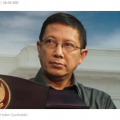
PIC: Tjahjo Kumolo. JP

Posted in Nasional, PerspektifComments (0)

Love for All and Hatred for None “Antara aku dan Ahmadiyah”

Blog Zulfirmansyah Ry*
*Member of YIPC Indonesia, Advokasi Sosialiasisi dan Promosi Non Violence Study Circles and Ambasaddor at Indonesia Youth Confrence.

.
JUDUL tulisan ini, sengaja saya kutip dari kata-kata yang terpampang di tempat pusat dakwah dan perpustakaan jemaah Ahmadiyah di Jogjakarta ketika saya dan para peacemaker di Young Interfaith Peacemaker Community Indonesia (YIPC) berkunjung kesana.

Perjumpaan saya dan Ahmadiyah lewat sesi dialog interfaith pada Youth Interfaith Peacemaker National Confrence 2014 adalah awal dari sebuah langkah mengenal yang berbeda dalam penafsiran terhadap teks suci Tuhan (Al-Qur’an).

Seperti yang kita ketahui bersama kehadiran Ahmadiyah di Indonesia yang notabenenya beragama islam yang secara principle keyakinan agak sedikit berbeda.

Namun pada tulisan ini saya tidak ingin mengajak kita semua untuk kembali melakukan penghakiman benar atau salah dalam klaim kebenaran (Truth Claim) dan klaim keselamatan (Claim Salvation) serta mempeributkan otoritas kepemilikan surga atau neraka sebagaimana cara keberagmaan kebanyakan orang.

Saya hanya ingin berbagi sebuah hasil renungan dan dialog intrafaith dengan mereka.

.
PADA mulanya ketika bis yang kami tumpangi melaju ke markas besar Ahmadiyah, ada semacam keresahan di dalam hati saya ketika mendengar kata salah satu kawanku bahwa kami akan jumatan di sana.

Keresahan ini bukan karena ketidaksiapan saya berdialog dengan mereka, namun rasa resah itu tiba-tiba muncul ketika pikiran, dan persasaan saya mulai dihantui oleh apa yang saya liat diberitakan di TV tentang kekerasan yang mereka alami, pikiran saya selalu terbayang-bayangi oleh bagaimana dan seperti apa Ahmadiyah yang saat ini kukenal hanya lewat pendapat orang-orang diluar mereka terhadap mereka.

Ketika bis yang kami tumpangi berhenti di seberang jalan markas dan mesjid Ahmadiyah, saya tersentak dan bangkit dari tempat duduk saya, dengan agak sedikit ragu mulai melangkahkan kaki masuk ke bangunan itu.

.
SESAMPAINYA di sana, tepat di depan pintu masuk, mata saya menatap ke arah sudut yang di sana ada sebuah binner yang bertulisan “Love for All and Hatred for None”, membaca kata-kata itu, tiba-tiba ada yang berubah dalam pemikiran saya yang tadinya resah, saya menjadi penasaran akan apa sebenarnya Ahmadiyah itu.

Setelah bersalaman dan disuguhi makan siang serta dilanjutkan sesi perkenalan antara kami dan mereka.

Di sela-sela makan siang itu, saya melirik ada sederatan buku-buku yang tertata rapi di rak buku di sekitar tempat duduk kami.

Mata saya melotot ke arah sebuah buku yang mengusik pemikiran saya waktu itu dan rasa resah yang tadinya berganti penasaranpun muncul kembali.

Judul buku yang kuliat itu “Alasan mengapa Ahmadiyah tidak boleh bermakmun pada yang lain”.

Saya hendak membacanya namun suara adzan sebagai pertanda sebentar lagi shalat jum’at akan dilaksanakan.

Saya meninggalkan buku itu dan memaksakan diri saya untuk mengikuti shalat jumat bersama jamaah Ahmadiyah meskipun masih ada bayangan tentang Ahmadiyah seperti yang kebanyakan orang ceritakan serta judul buku yang barusan saya lihat juga mengusik hati kecil saya akan shalat berjmaah bersama mereka (Ahmadiyah).

.
SETELAH berwudhu saya bergegas menuju mesjid Ahmadiyah yang terlentak di dalam bangunan itu. bersama dengan teman-teman muslim (dari YIPC) kami mengikuti khotbah jumat dan dari wajah mereka saya melihat sepertinya apa yang saya rasakan waktu itu juga mereka rasakan.

Khotbah jumat yang dibawakan khatib, tidak seperti biasanya saya dengar di mesjid-mesjid pada umumnya.

Tiba-tiba rasa ngantuk saya kala itu hilang berganti mata melotot memandang dengan serius apa yang disampaikan oleh khatib, bagi saya khotbah ini adalah jawaban akan pertanyaan-pertanyaan yang terlintas di sela-selah ras resahku akan Ahmadiyah.

Khatib bercerita panjang tentang sejarah Ahmdiyah dan cara hidup orang Ahmdiyah. Waktu itu ketika mendengarnya jujur rasah resahku bercampur aduk dengan rasah penasaran bertambah.

Puncaknya ketika shalat jumat bersama mereka, jujur saya agak tidak khusyu karena melirik ke sana, ke sini, seraya bergumam dalam diri “Kok sama ya gerakan shalat kita? Mana ya perbedaan yang seperti orang banyak ceritakan tentang mereka itu? Kok, saya tidak ketemu di sini?”

.
SETELAH usai shalat jumat, kami kembali menuju ruang perpustakaan dan akan melanjutkan sesi dialog interfaith (sesi yang amat saya tunggu untuk berdialog langsung dengan mereka). Saya sebelum mengekuti sesi itu saya kembali membaca isi buku “Alasan mengapa Ahmadiyah tidak boleh bermakmun pada yang lain”.

Setelah membaca dengan seksama dan saya mulai memahami kenapa mereka tidak bisa bermakmun kepada yang lain.

Namun, tidak cukup sampai di situ.

Setelah para pemuka Ahmadiyah yang hadir saat itu memperkenalkan Ahmadiyah kepada kami, saya secara spontan manganjungkan tangan untuk bertanya.

Pertanyaan saya kepada mereka sama seperti judul buku di atas. Namun jawabanyya tetap sama yakni fatwa para ulama mereka memang seperti demikian, kata mereka hal ini dipicu karena klaim kafir mengkafirkan yang dilontarkan orang-orang di luar mereka.

Jujur, setelah mendengar penjelasan itu, bukan saya tidak mau menerima perbedaan, namun bagi saya sebagai seorang muslim dengan pemahaman fiqih yang saya yakini, bahwa ada saatnya kita bisa bertoleransi namun dalam hal-hal muamalah, dan ketika itu berurusan dengan Amal maka kembali melihat Al-Qur’an dan As-Sunnah.

.
SAYA bukannya tidak mau menerima Ahmadiyah. Tetapi cara menerima Ahmadiyah, bagi saya, adalah lewat terlebih dahulu saya menerima prinsip keyakinan saya.

Sehingga, setelah materi itu dan ketika waktu shalat Assar kebetulan kami masi di situ, namun kali ini saya memilih untuk tidak melawan kata hati saya, dan saya memilih untuk shalat Ashar di luar, karena masih terbayang oleh isi buku yang tadi saya baca.

Ini bukan tentang salah atau benar tetapi tentang keyakinan.

Cara terbaik menerima Ahmadiyah adalah berteman dengan mereka dan bersinergi dengan mereka dalam hal muamalah.

Masih banyak persoalan bersama yang harus kita hadapi bersama.

Cukuplah untuk tidak selalu mempersoalkan hal-hal kecil menjadi besar sementara hal-hal besar cenderung terabaikan.

Semoga tidak ada lagi prinsip keyakinan pribadi [yang] kita korbankan hanya karena memenuhi prasyarat definisi toleransi.

Toleransi yang ideal dibangun di atas kejujuran, bukan berarti yang berbeda dengan kita menimbulkan kebencian kita terhadap mereka.

Tetapi, hemat saya, “Love for All and Hatred for None” solusi untuk itu.

Kita boleh tidak suka terhadap orang lain (kelompok lain), itu hal yang manusiawi bagi saya.

Namun jangan mengekspresikan rasa tidak suka itu dengan cara-cara yang tidak disukai Tuhan.

.
TERIMAKASIH untuk Ahmadiyah yang dengan “Love for All and Hatred for None” telah mengusir jauh-jauh rasa resahku dan prasangka terhadap yang berbeda.

Sekali lagi ini bukan tentang siapa benar atau siapa salah.

Tetapi, tulisan ini hanyalah cerita tentang aku dan Ahmadiyah.

Akhirnya, sesamaku adalah pribadiku yang lain.

Cintailah sesamamu seperti dirimu sendiri.

Bersama-sama mari kita nikmati apa yang telah diKarunaiakan-Nya, dan cara terbaik merayakan keberagaman adalah dengan merangkulnya bukan untuk memisahkannya.

Salam, peace, salom.

_
Gambar ilustrasi: Jamaah Ahmadiyah DIY sedang menunaikan ibadah sholat di Masjid Fadhli Umar, Senin (7/2/2011). (Tribun Jogja)

Posted in Perspektif, RabthahComments (0)

President Yudhoyono’s blind side: Religious violence in Indonesia

THE targets? The many Christian congregations, Shiites and the Ahmadiyah. These groups have become targets of Sunni militant groups who label most non-Muslims as “infidels,” and Muslims who do not adhere to Sunni orthodoxy as “blasphemers.” Even Indonesia’s atheists live in fear of such groups.

Jakarta Globe

Outgoing President Susilo Bambang Yudhoyono broke his long silence on violent religious extremism the other day, describing it in an Aug. 21 interview as “shocking” and “becoming out of control.”


To the dismay of the many Indonesians who have fallen victim to the country’s rising tide of religious intolerance, Yudhoyono’s concerns were not for plight of the country’s besieged religious minorities, but rather a response to the actions of the Islamic State in Iraq and Syria. That group’s well-documented brutality and indications that Indonesians are joining its ranks is certainly cause for worry.

But Yudhoyono’s comments betray a troubling lack of concern about the acts of harassment, intimidation and violence suffered by Indonesia’s own religious minorities from Islamist militants during his decade as president. Instead, Yudhoyono downplayed such incidents in Indonesia by claiming it is “understandable that sometimes there will be conflict between different groups.”

That is more than gross understatement. Indeed, it could summarize the Yudhoyono government’s sorry record in adequately confronting religious intolerance and related violence during his administration. During the last decade, there have been numerous incidents of harassment, threats and violence against religious minorities. Indonesia’s Setara Institute, which monitors religious freedom in Indonesia, documented 220 cases of violent attacks on religious minorities in 2013, an increase from 91 such cases in 2007.

The targets? The many Christian congregations, Shiites and the Ahmadiyah. These groups have become targets of Sunni militant groups who label most non-Muslims as “infidels,” and Muslims who do not adhere to Sunni orthodoxy as “blasphemers.” Even Indonesia’s atheists live in fear of such groups.

The increasing violence against religious minorities — and the government’s failure to take decisive steps against it — does more than put the lie to Yudhoyono’s sunny assessment of Indonesia as a country in which “We respect all religions.” The government’s inaction violates guarantees of religious freedom in the Indonesian constitution and Indonesia’s obligations under the International Covenant on Civil and Political Rights, which Indonesia ratified in 2005.

Indonesia’s Shiite minority has had particular reason to worry in recent weeks. In April, the Anti-Shiite Alliance, a gathering of militant Sunni organizations, attracted thousands to hear speeches advocating “jihad” against the country’s Shiite minority. Among the participants were members of one of the country’s most violent Islamist organizations, the Islamic Defenders Front (FPI). The FPI that day opted for a uniform of black ski masks and camouflage jackets stenciled with the term “Heresy Hunters” to leave no question about their intentions.

But while Yudhoyono frets publicly about the far-away threat of the Islamic State, he and his government have allowed the FPI and kindred groups to carry out violence against religious minorities with near impunity. A June 2008 FPI attack on representatives of the interfaith National Alliance for Freedom of Faith and Religion at the base of the National Monument (Monas) in Jakarta injured dozens. More recently, the FPI forced the closure of an Ahmadiyah mosque in West Java in October 2013 after threatening to burn it down. Rather than confront the FPI, Yudhoyono and his government have chosen to coddle it. On Aug. 22, 2013, Indonesia’s then-religious affairs minister, Suryadharma Ali, opted to make the keynote speech at the FPI’s annual congress in Jakarta at which he praised the group as a “national asset.”

But Yudhoyno’s failure to protect religious freedom goes far beyond his acceptance of the depredations of Islamist thugs. On multiple occasions in recent years, police and government officials have been passively or actively complicit in incidents of harassment, intimidation or violence against religious minorities.

On Feb. 6, 2011, police stood by while a group of some 1,500 Islamist militants attacked 21 members of Cikeusik’s Ahmadiyah community who were holding a prayer meeting in a private home. The militants bludgeoned to death three Ahmadiyah men and seriously injured five others. A court sentenced 12 of the perpetrators to token prison sentences of three to six months. Adding insult to injury, the court also sentenced an Ahmadiyah man to a six-month prison term for merely attempting to defend himself. Police have yet to publicly release the results of their internal investigation into the attack.

Moreover, Indonesian government officials and security forces have often facilitated harassment and intimidation of religious minorities by militant Islamist groups. That includes making explicitly discriminatory statements, refusing to issue building permits for religious minorities’ houses of worship, and pressuring congregations to relocate. Such actions are in part made possible by discriminatory laws and regulations, including a blasphemy law that officially recognizes only six religions, and house of worship decrees that give local majority populations significant leverage over religious minority communities.

Indonesian government institutions have also played a role in the violation of the rights and freedoms of the country’s religious minorities. They include the Ministry of Religious Affairs and the Coordinating Board for Monitoring Mystical Beliefs in Society (Bakor Pakem) under the Attorney General’s Office. Also, the semi-official Indonesian Ulema Council (MUI) has eroded religious freedom by issuing decrees and fatwas (religious rulings) against members of religious minorities and pressing for the prosecution of “blasphemers.”

Yudhoyono will step down as Indonesia’s president in late October, leaving a toxic legacy of rising religious intolerance and related violence.

A key challenge of his successor, Joko Widodo, or Jokowi, will be to take immediate steps to recognize and reverse the malign impact of Yudhoyono’s decade of failure in protecting religious freedom. Prioritizing protection for the country’s religious minorities and a zero-tolerance policy for abuses by Islamist militants will be a vital step toward that goal.

_
Phelim Kine is a former Jakarta-based foreign correspondent and the deputy director of the Asia division at Human Rights Watch.

Posted in Nasional, Persekusi, PerspektifComments (0)

Muslim Ahmadiyah dakwahkan Islam damai ke Saskatoon, Kanada

LEBIH dari tiga ribu warga muslim Ahmadiyah dari seluruh Kanada bagian barat memadati Saskatoon akhir pekan ini (9-10 Agustus 2014) untuk merayakan keimanan mereka dan menyimak pimpinannya menceramahkan tentang bagaimana cara mensyiarkan harmoni serta dakwah yang damai.

CJME.com

DOA-doa dan puji sanjung menggema di hall lapangan sepakbola. Hadirin yang terdiri dari para laki-laki dan para perempuan duduk tertib pada tempatnya masing-masing, dipisahkan oleh sekat, berpartisipasi di dalam acara pertemuan tahunan Jalsah Salanah Wilayah Kanada Bagian Barat yang ke-35.

“Tujuan kami adalah untuk meningkatkan gairah kecintaan kepada negara kita.

Beberkatlah kami berada di Kanada. Inilah negara yang memungkinkan kita untuk mengakui dan menyatakan apa yang kita anggap benar dalam cara yang baik,” kata Naib Amir dan Raisuttabligh Jamaah Muslim Ahmadiyah Kanada Maulana Mubarak Nazir.

Ahmadiyah adalah jamaah Islam yang didirikan di India pada tahun 1889 oleh Hadhrat Mirza Ghulam Ahmad a.s.. Hadhrat Ahmad mendakwakan diri sebagai mujadid dan Almasih Yang Dijanjikan (Masih Mau’ud). Beliau mengajarkan untuk menyebarkan Islam dengan damai dan menolak kekerasan.

Kanada Bagian Barat adalah tempat bagi sekitar 7500 umat Islam Ahmadiyah, namun karena dipisakan antara Winnipeg dan Vancouver.

Pelaksanaan jalsah salanah adalah setiap tahun. Saksatoon adalah tempat di mana bermukim sekitar 250 keluarga jamaah muslim Ahmadiyah.

Maulana Nazir pada hari Sabtu-nya adalah gilirannya memberikan ceramahnya pada jalsah tersebut. Isinya tentang konflik dunia dan bagaimana cara mensyiarkan agama dengan damai.

“Saya berbicara tentang perdamaian dan munculnya perang dunia ketiga,” kata Maulana Nazir. Dia mengacu pada konflik yang sedang berlangsung di Timur Tengah termasuk Israel, Palestina, dan Suriah.

“Jika sang Nabi saw. diutus ke dunia ini sekarang, dia tidak akan pernah mengakui umat Islam terhadap apa yang mereka perbuat di Irak, Libya, Mesir, Pakistan, dan negara-negara lain. Ini bukanlah apa yang diajarkan nabi. Merupakan tugas kita untuk kembali ke kemurnian agama-agama ini dan melihat bahwa semua agama tersebut mengajarkan perdamaian.”

Para sukarelawan dan sukarelawati yang masing-masing dilengkapi detektor logam mendeteksi para tamu yang datang sebelum diperkenankan masuk. …

Di dalamnya, sebagian besar kegiatan yang berisi ceramah-ceramah, shalat berjamaah, hingga lantunan syair-syair berada pada tempat arena jalsah atau ‘jalsah gah’. Tempat kaum laki-laki dipisah dengan kaum perempuan. Pada jalsah gah perempuan, terdapat layar monitor besar sehingga tamu jalsah bisa menyaksikan gambar langsung sang pembicara dari jalsah gah laki-laki.

Amtul Noor Daud adalah presiden nasional dari organisasi perempuan jamaah muslim Ahmadiyah (Lajnah Imaillah) di Kanada. Organ ini melayani bidang pendidikan, pelatihan, hingga kegiatan rekreasi bagi kaum perempuan. Ceramahnya yang ditujukan kepada para perempuan adalah tentang bagaimana memperbaiki diri agar menjadi orang yang saleh.

“Untuk meraih kecintaan Allah, kita harus menjadi orang yang mampu memperbaiki dan menjaga diri dari segala macam kezaliman,” katanya.

Jalsah salanah terbuka untuk umum. Bagi warga masyarakat simpatisan muslim Ahmadiyah yang ingin hadir, terutama para perempuannya, diperkenankan bila tidak mau dipisah dan ingin duduk bersama di jalsah gah laki-laki.

Daud dan Nazir mengajak warga masyarakat untuk hadir demi mengubah stereotip negatif tentang Islam.

“Kami mensyiarkan dakwah kami senyaman mungkin. Bila yang demikian itu sesuai dengan akal sehat, orang akan menerimanya,” kata Nazir.

“Pedang dan bom bisa saja menakklukan suatu wilayah. Mereka dapat membuat Anda tunduk. Tetapi, mereka tidak dapat menaklukan hati Anda. Kami tidaklah mengurusi bagaimana menaklukan suatu daerah. Urusan kami adalah bagaimana memenangkan hati.”

_
Foto: Maulana Mubarak Nazir saat Jalsa Salanah Wilayah Canada conference. Lasia Kretzel/News Talk Radio

Posted in Dakwah, MancanegaraComments (0)

Akhir Agustus 2014, ribuan muslim berkumpul di Hampshire, Inggris, baiat kepada Khalifah

JAMAAH Muslim Ahmadiyah Inggris raya dalam waktu dekat akan mengadakan perhelatan tahunannya atau jalsah salanah yang ke-48. Masih seperti tahun lalu, tempatnya di Hampshire. Acara berlangsung mulai Jumat tanggal 29 hingga Ahad tanggal 31 Agustus 2014.

Diharapkan akan ada lebih dari tigapuluh ribu para tamu dari umat Islam dan non Islam yang hadir. Mereka yang hadir di antaranya ada yang dari kalangan aristokrat, pun rohaniawan lintas iman, para politisi, para pejabat pemerintahan, para akademisi, juga para tokoh masyarakat.

UK2014 Jalsa UK 2014 viewTentunya adalah Imam Jamaah Muslim Ahmadiyah Sayyidina Amirul Mukminin Hadhrat Khalifatul Masih V Mirza Masroor Ahmad (Hudhur) atba. yang akan menjadi pembicara utamanya di samping sebagai imam shalat fardhu berjamaah maupun pembicara untuk membuka serta menutup pelaksanaan jalsah salanah.

Para tamu tertentu pula akan mengambil bagian di dalam sesi ceramah maupun sambutan-sambutan.

Oaklands Farm bakal mengubah diri menjadi sebuah kota mini yang lengkap akan sarana-sarana yang terdiri dari hall atau aula, tenda-tenda layaknya di pesta kebun, bumi perkemahan, sebuah pasar maupun area berbelanja, area pertanian gandum sebagai bahan baku roti, sebuah studio televisi internasional, toko buku, sampai arena eksibisi atau pameran.

UK2014 Jalsa UK 2014Puluhan ribu umat Islam, termasuk ratusan para mubayyi’in muslim asal Inggris, akan mengucap ikrar kesetiaan atau baiat kepada Hadhrat Khalifah Jamaah Muslim Ahmadiyah. Sementara itu, jutaan lainnya di seluruh dunia akan berbaiat juga via TV satelit.

Jalsah salanah akan ditangani sekitar lima ribu para sukarelawan dan dua ribu para sukarelawati.

UK2014 Jalsa UK FlagsJangan lewatkan acara unik ini di mana umat Islam akan berkumpul guna mensyiarkan kedamaian, toleransi, dan cinta. Inilah perhelatan yang akan menampilkan wajah Islam yang sebenarnya.

Sekali lagi, catat tanggalnya pada 29, 30, dan 31 Agustus 2014. Tempatnya di Hadeeqatul Mahdi (Oakland Farm), Green Street, East Worldham, Alton, Hampshire (GU34 3AU), Inggris.

PressAhmadiyya.com | DMX | WA

Posted in Dakwah, MancanegaraComments (0)

Tahun 2014, tren pelanggaran kebebasan beragama menurun

Suara Pembaruan

[JAKARTA] Setara Institute mempublikasikan laporan tengah tahun (Januari-Juni 2014) tentang kondisi kebebasan beragama di Indonesia. Laporan ini menunjukkan pelanggaran terhadap kebebasan beragama memperlihatkan tren menurun.

Direktur Riset Setara Institute, Ismail Hasani, menjelaskan dibanding periode yang sama pada dua tahun terakhir, kasus pelanggaran di tahun 2014 lebih jauh menurun. Pada semester pertama di 2012 tercatat 120 peristiwa dengan 168 tindakan. Sedangkan tahun 2013 terjadi 122 peristiwa dengan 16 tindakan.

Pada tahun 2014 tercatat 60 peristiwa dengan 81 bentuk tindakan yang menyebar di 17 provinsi. Misalnya tindakan pembiayaran, bila pada tahun lalu sebanyak 12 kasus, menurun menjadi 4 kasus di tahun ini. Penyegelan tempat ibadah juga menurun dari 11 kasus menjadi 2, sedangkan tindakan intoleransi dari 19 ke 13.

Sebagian besar kasus tahun 2014 terjadi di Jawa Barat (19), lalu menyusul Jawa Tengah (10 kasus), Jawa Timur (8 kasus), dan sisanya tersebar di daerah lainnya. Dari 81 tindakan itu terdapat 34 tindakan yang melibatkan para penyelenggara negara sebagai aktor utama. Masih seperti biasanya, kepolisian adalah institusi negara yang paling banyak melakukan pelanggaran.

“Tindakan yang melibatkan aktor negara itu antara lain 30 tindakan aktif atau by commission, pembiaran atau by omission, dan pernyataan pejabat publik yang provokatif dan mengundang terjadinya kekerasan atau condoning,” kata Ismail saat konferensi pers, di Jakarta siang ini, Senin (11/8).

Sementara itu, kelompok yang paling banyak melakukan pelanggaran berturut-turut, adalah kelompok warga 22 tindakan, Front Pembela Islam (FPI) 5 tindakan,n dann Forum Umat Islam (FUI) 4 tindakan. Pelanggaran kebebasan beragama ini paling banyak menimpa aliran keagamaan, umat Kristen, Ahmadiyah, dan Syiah.

Dijelaskan Ismail, hingga kini penyebab terjadinya pelanggaran itu belum diatasi oleh aktor negara. Misalnya, pembiaran produk hukum diskriminatif, kriminalisasi korban pelanggaran, pembiaran pelaku kekerasan menikmati impunitas dan imunitas karena tidak diadili secara serius. Juga pembiaran berbagai provokasi yang terus menebar kebencian terhadap kelompok agama atau keyakinan rentan lainnya.

Meskipun mengalami penurunan, Menteri Agama Lukman Hakim diminta untuk terus mendorong kondisi yang kondusif guna mencegah terjadinya kasus pelanggaran beragama dan berkeyakinan.

“Meskipun tinggal menghitung hari, Lukman Hakim harus membuat langkah konstruktif sebagai legasi Kementerian Agama maupun bagi dirinya sendiri. Di antaranya memulangkan pengungsi Ahmadiyah Transito Mataram atau paling tidak memenuhi hak-hak dasar mereka, seperti kesehatan, pendidikan, dan pekerjaan yang layak,” kata Bonar Tigor Naipospos, Wakil Ketua Setara Institute. [D-13/N-6]

_
Berita lain/serupa:
Suara Pembaruan
BeritaSatu
UCAN Indonesia
ICRP

Posted in Nasional, Perspektif, RabthahComments (0)

Pertemuan umat Islam Harrisburg akan hadirkan solusi-solusi nir kekerasan bagi dunia

PennLive.com | UMAT Islam yang menembakkan roket atas nama Islam, berarti melanggar prinsip-prinsip keimanan mereka.

Itulah yang akan menjadi tema sentral pertemuan tahunan atau jalsah salanah umat Islam Ahmadiyah Amerika Serikat yang akan berlangsung para tanggal 15 hingga 17 Agustus, bertempat pada sebuah kompleks peternakan di Harrisburg.

Jalsah salanah Jamaah Muslim Ahmadiyah Amerika Serikat yang ke-66 tahun itu, diharapkan mampu mendatangkan sekitar 5 ribu tamu dari seluruh negeri.

Pelaksanaan jalsah ini berbarengan dengan meningkatnya krisis atau suasana keprihatinan yang terjadi di daerah-daerah termasuk Irak, di mana Amerika Serikat melakukan serangan udara pada hari Jumat (8/8) lalu, ke Suriah dan Gaza.

Juru bicara (jubir) jamaah muslim Amerika Serikat Harris Zafar mengatakan, masalah-masalah tersebut bisa dicapai dengan damai dan terselesaikan dengan adil karena Islam mengajarkan umatnya untuk mengedepankan penggunaan dialog dan juga pendidikan kepada masyarakat.

Harris mengatakan bahwa keimanan itu harus sesuai dengan ajaran Nabi Muhammad saw.. Islam menentang penggunaan kekerasan untuk penyebaran agama. Penentangan kekerasan itulah yang sedang dilakukan oleh sebagian umat Islam termasuk di daerah Irak.

Lebih lanjut, Harris mengatakan, enggak ada yang namanya pembenaran untuk sebuah kekerasan yang telah orang-orang meski mereka diatur oleh seorang pemimpin yang tidak adil.

Jalsah salanah akan menampilkan banyak sesi guna membahas topik-topik tersebut demi meraih solusi-solusi damai.

Jalsah terbuka untuk umum tak pandang ia itu datang dari berbagai latar belakang agama yang berbeda. Supaya masyarakat bisa mendapatkan pemahaman yang lebih lanjut dan akurat tentang agama dan umat Islam, demi memajukan upaya-upaya damai di dalam mendamaikan konflik-konflik.

“Our belief has always been if you don’t have open dialog, that just breeds more mistrust and misunderstanding. That’s why we want people of other faiths, or of no faith, to join us at this convention, so we can have that dialog,” Zafar said.

“Begitulah selalu keyakinan kami. Jika Anda tidak mengupayakan dialog yang terbuka maka itu hanya akan lebih melahirkan ketidakpercayaan dan kesalahpahaman. Itu sebabnya kami ingin agar masyarakat-masyarakat lintas agama, lintas iman, untuk bisa bergabung dengan kami di konvensi ini, sehingga kita bisa berdialog,” kata Harris.

… “Kita berada pada titik kritis di dalam dunia yang sarat dengan konflik,” demikian Doktor Nasim Rehmatullah, wakil presiden nasional Jamaah Muslim Ahmadiyah Amerika Serikat, mengatakan dalam sebuah rilisan berita. “Dunia membutuhkan solusi dan kami ada di sini untuk menawarkan bahwa ada solusi melalui dialog, pendidikan, dan rasa kebersamaan.”

Pertemuan itu disebut Konferensi Damai Jalsah Salanah.

_
Oleh David Wenner | dwenner@pennlive.com

Posted in Dakwah, Kemanusiaan, Mancanegara, Perspektif, RabthahComments (0)

Page 1 of 212

@WartaAhmadiyah

Tweets by @WartaAhmadiyah

http://www.youtube.com/user/AhmadiyahID

Kanal Youtube


Tautan Lain


alislam


alislam


alislam


alislam

Jadwal Sholat

shared on wplocker.com