W3vina.COM Free Wordpress Themes Joomla Templates Best Wordpress Themes Premium Wordpress Themes Top Best Wordpress Themes 2012

Tag Archive | "sunni"

Bogor Mayor Bima says GKI Yasmin church not recognized by Christian authority

SOME see GKI Yasmin’s Kafkaesque plight as instructive of a wider problem of religious intolerance in Indonesia where local government heads contrive to stifle religious minorities’ freedom of expression using labyrinthine planning regulations — forcing local churches and Ahmadiyah mosques, for example, to go through a protracted legal battle to obtain recognition.

JAKARTA GLOBE; by Vento Saudale on 11:16 pm Dec 23, 2014

Bogor, West Java. The row over a ban on a church congregation from holding a service on Christmas Day continued on Tuesday as Bogor Mayor Bima Arya Sugiarto said the GKI Yasmin church was not recognized by the umbrella Christian organization.

“GKI Pengadilan does not recognize GKI Yasmin,” Bima said. “So, there is no such thing as the GKI Yasmin congregation.”

GKI Yasmin obtained a permit to open a church in Bogor in 2006, but the permit was later revoked by the municipal government following pressure from local hard-line Islamic groups. The building was eventually sealed by local authorities in 2010.

But a Supreme Court ruling later overruled the local authority decision, compelling Bima to reopen the church — something he has hitherto failed to do, previously citing unspecified reasons.

“I said [the church would not be allowed to conduct a Christmas service] based on the recognition of the official church organization, GKI Pengadilan, as the mother organization for Christian church congregations in Bogor,” Bima said on Tuesday.

Bima added that a lack of space was the problem, and that his decision was not a transparent attempt to curry favor with intolerant local Sunni Muslims — a view his critics have frequently aired. The current location had space for only 800 worshippers and that the church required a larger venue, he said.

Bima said he did not wish to prevent anyone from practicing their chosen faith and that his government would aim to find an alternative site for the worshippers.

“So don’t make it out as if this is a violation of religious freedom,” the mayor said. “It certainly is not. It’s [GKI Pengadilan] that proscribes them, so who’s being stubborn now?”

Bima said the city administration and GKI Pengadilan would meet to try and find a long-term solution. In the meantime, however, the congregation must not hold any service in public because it may disrupt public order, he said.

GKI Yasmin spokesperson Bona Sigalingging said that the GKI Yasmin congregation would stick to their plan to conduct Christmas service at their now-sealed church.

Bona said Bima was repeating the same line used by former Bogor mayor Diano Budiarto.

It was not up to the mayor to interfere or be guided by the internal politics of the churches, Bona said.

“We only hope that Bima Arya will focus on obeying the Supreme Court ruling and the ombudsman’s recommendation,” Bona said. “Those rulings have nothing to do with GKI’s internal situation.”

The latest incident is another setback for a congregation that has been forced to go to the country’s highest court in search of recognition.

Since 2012, scores of GKI Yasmin congregation members have held prayer meetings outside the State Palace to raise awareness that their house of worship remained sealed despite rulings from the Supreme Court and the Indonesian ombudsman.

Some see GKI Yasmin’s Kafkaesque plight as instructive of a wider problem of religious intolerance in Indonesia where local government heads contrive to stifle religious minorities’ freedom of expression using labyrinthine planning regulations — forcing local churches and Ahmadiyah mosques, for example, to go through a protracted legal battle to obtain recognition.

Church officials and worshippers repeatedly claimed that their pleas to previous president Susilo Bambang Yudhoyono to intervene fell on deaf ears — GKI Yasmin had hoped that newly elected President Joko Widodo would step in over what they see as a clear rejection of a Supreme Court order by an elected mayor, who had previously said that he hoped to handle the church dispute differently to his predecessor.

“How can we just let Bogor be — like it’s not a part of the Republic of Indonesia and the Supreme Court and Ombudsman decisions can be safely ignored?” GKI Yasmin spokesman Bona said in November.

Posted in Nasional, Persekusi, PerspektifComments (0)

Agama sebagai permainan politik: meningkatnya intoleransi di Indonesia

Open Democracy

AHMAD SUEADY
1 December 2014

Intolerasi agama di Indonesia yang meningkat berasal dari suatu pakta politik antara mantan presiden, Bambang Yudhoyono, dan kelompok Muslim dengan tingkat toleransi rendah di negara itu. Presiden yang baru, Joko Widodo, harus menghentikan kekerasan itu sebelum terlambat. Sebuah kontribusi untuk debat openGlobalRights, Agama dan Hak Asasi Manusia.

ENGLISH

Di Indonesia, intoleransi agama oleh sebagian Muslim Sunni telah meningkat. Populasi dari negara berpenduduk 250 juta orang, sekitar 87% Muslim, dengan Muslim Sunni sekitar 99% dari populasi itu. Muslim Syi’ah sekitar 0,5% dari seluruh Muslim Indonesia, dengan Ahmadiyah sekitar 0,2%. Hingga satu dekade yang lalu, hanya ada sangat sedikit ketegangan agama antara kelompok-kelompok ini, tapi sekarang, elemen-elemen di dalam mayoritas Sunni menjadi semakin antitesis terhadap minoritas agama.

Masalah agama di Indonesia adalah bagian dari tren regional yang lebih luas. Di wilayah di dekatnya, Brunei, pemerintah telah melarang sedikitnya delapan sekolah bagus dan agama yang “menyimpang” karena mengajarkan mata pelajaran agama non-Islam. Hampir sama, Malaysia telah melarang 56 interpretasi Islam yang “menyimpang”, termasuk Ahmadiyah, Islamailiah, Syi’ah, dan Bahai. Di Myanmar, pemerintah terlibat terhadap pelarangan Muslim Rohingya karena tekanan para pemimpin agama Buddha.

Menurut akademisi Amerika Jeremy Menchik, intolerasi agama di Indonesia selama dekade terakhir berasal dari meningkatnya “nasionalisme yang saleh” yang berfokus pada “komunitas bayangan yang terikat oleh teisme umum, ortodoks dan dimobilisasikan negara.” Menchik mungkin benar, tapi nasionalisme yang saleh tidak otomatis membawa pada kekerasan. Di Malaysia, contohnya, pengadilan Syariat tingkat negara dapat memerintahkan individu yang ingin berpindah dari agama Islam, atau mereka yang menjadi pengikut kelompok terlarang, untuk masuk ke pusat rehabilitasi agama. Namun demikian, pemerintah juga melarang penggunaan kekerasan terhadap para anggota aliran kepercayaan ini, dan menghukum dengan keras para penyerang.

Mengapa intoleransi agama dan tindakan main hakim sendiri meningkat di Indonesia?

Pertama, meningkatnya kekerasan dapat dengan kuat dikaitkan dengan tindakan dari mantan Presiden Indonesia, Bambang Yudhoyono, purnawirawan jenderal yang memerintah negara ini dari tahun 2004 hingga 20 Oktober 2014.

Pada tahun 2005, Yudhoyono memulai masalah agama di negara ini dengan mendeklarasikan bahwa Majelis Ulama Indonesia (MUI), sebuah kelompok agama Sunni yang konservatif, adalah satu-satunya yang berwenang menginterpretasikan Islam, dan mengikrarkan pemerintahannya terbuka pada fatwa-fatwa mereka.

Intoleransi menjadi dilembagakan pada tingkat yang meng-khawatirkan, hak asasi manusia dari minoritas agama berada dalam ancaman, dan organisasi hak asasi manusia berjuang untuk melakukan pekerjaan mereka tanpa dapat memberikan perlindungan.

MUI tidak membuang waktu. Dengan serta-merta mereka mendeklarasikan Ahmadiyah sebagai “kelompok sesat”, dan bertindak melawan “pluralisme, liberalism, dan sekularisme”. Muslim Ahmadi memercayai enam rukun iman yang sama seperti Muslim Sunni, dengan perbedaan utama yaitu bahwa pengikut Ahmadi percaya bahwa kenabian monoteistik masih berlangsung (Sunni memercayai bahwa Muhammad adalah nabi terakhir yang dikirim oleh Tuhan). Dengan secara resmi Ahmadi ditetapkan sebagai sesat, contoh-contoh pidato kebencian dan kekerasan terhadap Muslim Ahmadi meningkat dengan cepat. Intoleransi menjadi dilembagakan pada tingkat yang mengkhawatirkan, hak asasi manusia dari minoritas agama berada dalam ancaman, dan organisasi hak asasi manusia berjuang untuk melakukan pekerjaan mereka tanpa dapat memberikan perlindungan.

Kemudian, di tahun 2008, situasi memburuk ketika tiga menteri—Menteri Agama Maftuh Basyuni, Menteri Dalam Negeri Mardiyanto, dan Jaksa Agung Hendarman Supanji—menerbitkan dekrit yang mengizinkan melarang ekspresi di depan publik secara mutlak kepada Muslim Ahmadi atas kepercayaan dan praktik agama mereka. Di tahun 2011, pemerintah Jawa Timur dan Jawa Barat (yang terakhir adalah provinsi dengan penduduk terpadat di Indonesia) menggunakan dekrit ini untuk langsung melarang eksistensi dan kegiatan Ahmadiyah. Sekarang, 25 dari pemerintahan daerah di negara ini melarang eksistensi kelompok sekte atau kepercayaan, dan sebagian besar pembatasan ini ditujukan kepada Ahmadiyah.

Selain itu, untuk pertama kalinya dalam sejarah Indonesia, militan Sunni menggunakan kekerasan terhadap Muslim Syi’ah, sebagian berdasarkan pada dekrit tahun 2012 yang diterbitkan oleh Majelis Ulama di Jawa Timur yang mendeklarasikan “penghujatan” ajaran Syi’ah. Pemerintah tidak melakukan apa-apa untuk menghentikan tindakan ini.

Aliansi mantan presiden Yudhoyono dengan MUI berasal dari perhitungan politik internal. Pencalonannya sebagai presiden ditolak oleh aktivis pro-demokrasi dan kelompok Muslim toleran, banyak dari mereka berkata bahwa latar belakang militer dan kurangnya rekam jejak demokrasi membuatnya tidak sesuai untuk pekerjaan ini. Yudhoyono dan sekutu politiknya lalu mendekati kelompok agama konservatif, termasuk MUI, dan meminta dukungan politik mereka. Sebagai balasan, Yudhoyono menjanjikan untuk memperlakukan doktrin MUI sebagai kebijakan.

Beberapa penasihat mantan presiden yang paling dipercaya adalah Muslim Sunni konservatif, termasuk Sudi Silalahi, diangkat sebagai sekretaris kabinet dan kemudian sekretaris negara. Silalahi dilaporkan sebagai salah satu jenderal yang mendukung militan jihad yang berangkat ke Ambon di tahun 1999 untuk menyerang ribuan Kristen Indonesia. Untuk mengatakan tidak terekam jejak pelanggaran HAM-nya sungguh meremehkan.

Diskriminasi pemerintahan Yudhoyono terhadap Ahmadiyah didorong oleh peran Ma’ruf Amin, ketua MUI, dan anggota lembaga penasihat kepresidenan (Wantimpres) bidang hubungan antar-agama. Kekuasaan Amin tumbuh dengan cepat selama kepemimpinan Yudhoyono, dan ia mampu mentransformasikan ide-ide intolerannya menjadi kebijakan negara.

Akhirnya, mantan presiden itu mengangkat tokoh Muslim konservatif untuk menjalankan kementerian agama, mengubah departemen yang dulunya toleran menjadi departemen yang curiga kepada minoritas agama non-Sunni. Juga mengangkat Gamawan fauzi sebagai Menteri Dalam Negeri yang dikehatui sangat konservtaif.

Sekarang ini, banyak yang berharap bahwa presidan baru Indonesia, Joko “Jokowi” Widodo, akan membawa pemerintahan ke arah yang berbeda. Widodo, yang menurut para pemilihnya adalah politisi yang “bersih”, melakukan kampanye yang menjanjikan revolusi “mental” dengan perubahan yang menentukan dari kesewenang-wenangan dan intoleransi negara di masa lalu.

Untuk memastikan hal ini terwujud, pertama, Widodo harus menetapkan bahwa tidak seorang pun, gerakan, atau organisasi dapat menjadi satu-satunya yang berwenang menginterpretasikan agama, termasuk MUI. Berikutnya, ia harus menjamin bahwa doktrin agama tidak lagi digunakan sebagai justifikasi bagi perundang-undangan dan kebijakan pemerintah. Jaminan ini perlu memasukkan revisi dari UU No. 1/PNS/1965, yang dengan eksplisit melarang “interpretasi yang menyimpang” dari ajaran agama dan mandat pembubaran organisasi yang menerapkan ajaran yang menyimpang. Akhirnya, Widodo harus menunjukkan komitmen yang jelas dari pemerintahannya untuk memberikan layanan yang sama, dan menjamin kebebasan beragama, kepada seluruh masyarakat Indonesia. Semua menteri dan penasihat seniornya harus dievaluasi pandangan dan rekam jejak agamanya, untuk mengeliminasi mereka yang memiliki catatan intoleransi.

Akhirnya, Widodo harus memperkuat pelaksanaan hukum, dan menghukum siapa pun yang menggunakan kekerasan dan main hakim sendiri untuk alasan apa pun, termasuk alasan agama.

Jika Widodo tidak segera melakukan hal ini, Indonesia menghadapi risiko jatuh ke jalan yang berbahaya dan semakin parah.

_
About the author

Ahmad Sueady adalah Direktur Lembaga Islam Asia Tenggara (Institute of the Southeast Asian Islam) di Universitas Islam Negeri (UIN), Sunan Kalijaga, Yogyakarta, Indonesia.

Posted in Nasional, PerspektifComments (0)

Minister promises bill to protect religious minorities

LUKMAN said the new bill would target the closures and attacks on churches and Shiite and Ahmadiyah mosques, one of the most egregious symptoms of the quasi-institutional discrimination of religious minorities stemming from the near-impossible administrative requirements laid out in a 2006 joint decree from the Religious Affairs Ministry and Home Affairs Ministry for congregations of any faith seeking a permit to build a house of worship.

Jakarta Globe

Jakarta. The lone minister to survive the cut to President Joko Widodo’s cabinet from the previous administration has unveiled plans to draft a bill that would afford unprecedented protection to religious minority groups, continuing where he left off in his battle against rising religious intolerance.

“Over the next six months, we will work on this bill to protect all religious groups, including those outside the six main religions of Islam, Catholicism, Protestantism, Hinduism, Buddhism and Confucianism,” Lukman Hakim Saifuddin, the minister for religious affairs, said at a press conference in Jakarta on Wednesday.

“The bill will protect everyone’s religious right, especially the rights guaranteed by the Constitution,” he said. “First, the right to believe in whatever they choose to put their faith in. There should be a guarantee that everyone is free to choose their own religion or belief. Second, the independence for anyone to practice their belief.”

He added he hoped that “the bill can improve the quality of living in Indonesia.”

Lukman was inaugurated in June, in the twilight of the Susilo Bambang Yudhoyono administration, following the naming of the previous minister, Suryadharma Ali, as a graft suspect. In the short time since then he has shown a more conciliatory stance than his predecessors on engaging with minority religious groups, including Shiite and Ahmadi Muslims — with whom he held an unprecedented breaking of the fast during Ramadan in July.

Suryadharma, by contrast, was known for his hostility toward these groups, including a public call for the Ahmadis to recant their “heretical” beliefs.

Lukman said the new bill would target the closures and attacks on churches and Shiite and Ahmadiyah mosques, one of the most egregious symptoms of the quasi-institutional discrimination of religious minorities stemming from the near-impossible administrative requirements laid out in a 2006 joint decree from the Religious Affairs Ministry and Home Affairs Ministry for congregations of any faith seeking a permit to build a house of worship.

“The bill will have many implications, including in terms of the permit to build places of worship,” the minister said. “There should be a clearer and stronger regulation for this issue. Of course we need suggestions from the public so we can accommodate their needs and interests.”

One of the requirements stipulated in the joint decree is for applicants to get the signed approval for their house of worship from the heads of 60 neighboring households of a different faith. In Muslim majority Indonesia, Christian, Shiite and Ahmadi applicants have almost invariably failed to get the required number, while a few cases have been reported in parts of eastern Indonesia, which has a large Christian population, of Muslims not being allowed to build mosques.

Lukman also promised to address the long-running issue of Shiite and Ahmadi communities being driven from their homes by mobs of Sunni Muslims — often with the support of the local police.

“It’s a complex problem,” he conceded. “It involves things related to officials like the police, issues with local governments, problems within the local community, and admittedly, problems related to religious beliefs.

“The steps taken should be integrated and not partial. We’re working on it. Now we’re communicating intensively with local governments where refugees [of religious pogroms] are staying. Hopefully we can come up with the solutions,” Lukman said.

He added his ministry would also work with local Islamic clerics — who are often instrumental in inciting hostilities against minority groups — to get them to embrace religious tolerance.

“We’ll hold interfaith forums for religious teachers to make sure that everyone has the same standing,” he said. “Even though we have different beliefs, all religions teach the same lesson of promoting humanity — making humans human.”

_
By Adelia Anjani Putri on 12:48 p.m., Oct 30, 2014

PIC: Religious Affairs Minister Lukman Hakim Saifuddin says all Indonesians should be allowed to follow and practice their own beliefs, free from persecution. (Antara Photo/Mohamad Hamzah)

Posted in Nasional, PerspektifComments (0)

New home minister to delve into minority issues

THE Commission for Missing Persons and Victims of Violence (Kontras) recorded 21 bylaws that had been issued by regional governments between 2005 and 2011 to disband any religious activities by members of the Ahmadiyah community, putting the Ahmadis under threat from locals and radical organizations.

The Jakarta Post

Newly appointed Home Minister Tjahjo Kumolo has said that he will scrutinize problems faced by minority groups over the past decade.

The Indonesian Democratic Party of Struggle (PDI-P) politician said that he would make an inventory of what could be categorized as minority problems.

“We will ask [for data] on what has happened in the past decade,” he said on the sidelines of the Cabinet inauguration on Monday at the Presidential Palace.

He added that he would soon summon governors, mayors and regents to hear directions regarding a plan on financial austerity from President Joko “Jokowi” Widodo.

“We will deliver messages from Bappenas [the National Development Planning Board] and the Finance Ministry so that regional heads can understand about the limitation of [the current] state budget and will be able to anticipate [conditions],” said Tjahjo, referring to soaring fuel prices that may push the Jokowi administration to relieve some subsidies to make larger fiscal room for development programs.

Tjahjo, who is currently still serving as PDI-P secretary-general, is among five PDI-P members appointed in the new Cabinet.

A career politician and lawmaker, Tjahjo has never acquired public office before. The nationalistic background of the PDI-P, however, has given hope that he will be able to reform the conservative approach of home ministers from the time of the Susilo Bambang Yudhoyono administration.

Previously, Yudhoyono preferred to give the ministerial post to former military officers or local bureaucrats, which led to violent incidents with religious minority groups.

Human rights watchdogs recorded a rising number of incidents among religious groups during Yudhoyono’s two terms.

The Commission for Missing Persons and Victims of Violence (Kontras) recorded 21 bylaws that had been issued by regional governments between 2005 and 2011 to disband any religious activities by members of the Ahmadiyah community, putting the Ahmadis under threat from locals and radical organizations.

A political analyst from the Indonesian Civilized Circle (Lima), Ray Rangkuti, suggested that Tjahjo would be more open-minded in handling sectarian conflicts compared to his predecessor Gamawan Fauzi.

“Looking at his character and his background as a [PDI-P] politician, I believe that Tjahjo will be more tolerant. He tends to go against mass organizations that often create trouble, such as the Islam Defenders Front [FPI], but he will handle those according to regulations,” Ray said.

Human rights defender Hendardi, who chairs human rights watchdog the Setara Institute, said that the first challenge for Tjahjo would be to end discrimination against minorities like the Ahmadi and Shia groups.

He was referring to the Islamic sect of the Shia community based in Sampang, East Java, whose hundreds of members remain banned from returning home after they were forcibly evicted from their villages when their homes were burned by a group of people claiming to be representatives of the majority Sunni Muslims in August 2012.

Similarly, members of the Ahmadiyah community in Ketapang, West Nusa Tenggara (NTB), have been living in a local shelter after a mob claiming to be members of the Sunni majority attacked and burned their houses eight years ago.

Adding to discrimination imposed on the country’s religious minorities, the GKI Yasmin church in Bogor, West Java, has remained sealed for more than 10 years despite a ruling by the Supreme Court, the country’s highest legal institution, stipulating its legitimacy.

“[Along with the Religious Affairs Ministry and the Law and Human Rights Ministry] Tjahjo must also revoke all laws and regulations that accommodate discrimination against the country’s religious minority groups, such as, among other things, the bans on Ahmadiyah as well as a 2006 joint ministerial decree on places of worship,” Hendardi said.

The 2006 joint ministerial decree stipulates that congregation members must secure approval from at least 60 local residents of different faiths and the government-sponsored Regional Interfaith Harmony Forum (FKUB) before establishing a house of worship.

Robert Endi Jaweng, executive director of the Regional Autonomy Watch (KPPOD), specifically called on Tjahjo to keep a close watch on the development of Aceh and Papua, two provinces are that still marred with political instability, as well as economic and security concerns.

“I was hoping that the new home minister would be someone who has experience in governing. But now, we have Tjahjo, a politician. He may face challenges in building communication with special regions, particularly Aceh and Papua, and coordinating with respective ministries to ensure that sufficient funds and the right policies are in place to propel these regions’ development,” he said. (idb)

_
Hasyim Widhiarto contributed to this article
PIC: Tjahjo Kumolo. JP

Posted in Nasional, PerspektifComments (0)

Inilah konsep kenabian menurut Sunni, Ahmadiyah, dan Syiah

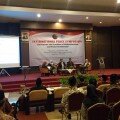
Satu Islam, Jakarta – Konsep kenabian ditinjau dari pandangan lintas madzhab diseminarkan oleh UIN Syarif Hidayatullah Jakarta, Rabu, 17 September 2014. Seminar teologi yang mengundang perwakilan dari tiga mazhab Islam dengan tema “konsep kenabian lintas aliran, perspektif Sunni, Ahmadiyah, dan Syiah” ini membahas tentang implementasi islam yang rahmatan lil ‘alamin dalam perbedaan.

Pandangan Ahmadiyah tentang kenabian yang disampaikan oleh Prof. Abdul Rozak. Ia membedahnya melalui tinjauan teks atau dari dalil al-Qur’an dan Hadist. Berdasarkan tafsir Ahmadiyah yang didasari dari Qur’an dan Hadist, bahwa kenabian diibaratkan seperti dua mata uang.

Sisi pertama memiliki peran hanya sebagai penerima kabar gaib dari Allah. Abdul Rozak juga menyampaikan pandangan kenabian dari sisi yang kedua. Menurutnya, seorang Nabi selain menerima kabar ghaib dari Allah, juga memiliki peran penyampai, dalam hal ini menyampaikan kabar ghaib tersebut kepada umat manusia.

Kenabian pada sisi pertama tentunya masih dibuka oleh Allah. Nabi yang seperti ini syarat pertama, harus menjadi umat Muhammad saw. Syarat kedua menjalankan dan mentaati syariat Muhammad saw. Syarat ketiga menyampaikan risalah dari Nabi Muhammad saw.

”Allah SWT sendirilah yang mengangkat seseorang menjadi Nabi karena ketaatannya kepada baginda Nabi Muhammad Saw”, ujarnya.

Nabi penutup atau khotamun nabiyyin menurut Ahmadiyah adalah Nabi [penutup] yang membawa syariat, yakni Nabi Muhammad saw.

“Nabi [penutup] pembawa syariat adalah Nabi Muhammad.” kata Abdul Rozak.

Kenabian menurut Sunni yang disampaikan oleh Edwin Syarif. Ia terlebih dahulu menceritakan bagaimana kronologis sebab munculnya Ahlussunnah waljamaah yang keberadaannya di Indonesia, kemudian hari bermetaforfosis sebagai NU atau Nahdlatul Ulama.

Dari aspek historis ,di tengah-tengah umat islam pernah muncul perdebatan teologis yang mebicarakan tentang akidah. Saat itu terjadi perbedaan pandangan kelompok antara Muktazilah dan Maturidiyah.

”Lalu ada kelompok yang mengklaim garis tengah atau moderat yang desebut sebagai Asy’ariyah. Dari sinilah paham ahlussunah NU berasal”, ujar Edwin Syarif pada seminar tersebut.

Teologi ini muncul ketika pasca wafatnya Nabi Muhammad saw tepatnya pada saat arbitrasi antara Khalifah Ali bin Abi Thalib dan Muawiyah. Di lain pihak muncul kelompok khawarij yang menuding bahwa siapapun yang tidak berhukum berdasarkan hukum Allah SWT maka dia adalah kafir. Oleh karena itu, dari sanalah munculnya perdebatan teologi.

Sunni yang asy’ariyah tidak sebagaimana muktazilah yang menggunakan akal secara keseluruhan dalam melihat teologi. ”Sunni menggabungkan antara wahyu dan akal, namun porsi wahyu lebih besar dari pada porsi akal”, klaim Edwin.

Sunni menilai kenabian, lanjut Edwin, sudah ditutup dengan kata lain tidak ada lagi Nabi dan Rasul setelah Nabi Muhammad saw. Arti khatamun nabiyyin adalah Nabi penutup.

Pintu berita ghaib yang berhubungan antara yang transenden dan imanen yang disebut sebagai wahyu sudah tertutup menurut pandangan sunni,”ujar Edwin.

Namun, demikian lanjut Edwin, masih ada berita ghaib yaitu yang disebut sebagai ilham. Sedangkan ilham hanya diturunkan kepada wali-wali Allah swt..

Foto: DMX

Foto: DMX

Sementara itu kenabian menurut Muhsin Labib yang dari Syiah meninjaunya dari aspek filosofis. Dia mendahului paparannya dengan pernyataannya yang enggan mengklaim dirinya sebagai representasi Syiah.

“Untuk menjadi Syiah tidaklah mudah karena Syiah itu berjenjang,”kilah Muhsin Labib.

Muhsin Labib dalam paparannya, terlebih dahulu memeperjelas perbedaan antara konsep dengan sosok. Lalu mulai dengan memperjelas posisi konsep.

Menurut Labib seseorang harus mendahulukan ‘apa’ dari pada ‘siapa’. Karena, lanjutnya, sebelum mengenal sosok Nabi, harus mengenal terlebih dahulu konsep kenabian.

”Konsep kenabian yang dimaksud adalah mediasi antara yang mutlak dan yang relatif”,ujar Labib.

Ia beralasan Tuhan yang naha suci tidak mungkin bercampur dengan manusia yang maha dekil. Yang mutlak tidak mungkin bercampur dengan yang relatif.

Ditambahkannya sesuatu yang suci bila tercampur dengan yang tidak suci, maka kedua-keduanya akan menjadi tidak suci. Tidak ada afinitas antara yang mutlak dengan yang tidak mutlak.

“Karenanya, dalam relasi itu meniscayakan seseorang yang bisa menghubungkan antara yang mutlak dengan yang tidak mutlak”, ujar Labib.

Dia seseorang manusia yang berperan sebagai penghubung. Penghubung yang dimaksud harus memiliki aspek kesucian. “Penghubung itulah yang kita kenal sebagai Nabi,” ujarnya.

Menurut Muhsin, konsep kenabian adalah deduktif, sedangkan sosok nabi adalah induktif. Hukum dialektika mengatakan yang induktif berada di bawah yang deduktif.

Seminar ini dihadiri kebanyakan dari civitas akademika UIN Syarif Hidayatullah Jakarta. Suasana seminar sesekali diwarnai tepuk tangan saat Muhsin Labib usai menyampaikan pandangannya.

Posted in Nasional, PerspektifComments (0)

President Yudhoyono’s blind side: Religious violence in Indonesia

THE targets? The many Christian congregations, Shiites and the Ahmadiyah. These groups have become targets of Sunni militant groups who label most non-Muslims as “infidels,” and Muslims who do not adhere to Sunni orthodoxy as “blasphemers.” Even Indonesia’s atheists live in fear of such groups.

Jakarta Globe

Outgoing President Susilo Bambang Yudhoyono broke his long silence on violent religious extremism the other day, describing it in an Aug. 21 interview as “shocking” and “becoming out of control.”

To the dismay of the many Indonesians who have fallen victim to the country’s rising tide of religious intolerance, Yudhoyono’s concerns were not for plight of the country’s besieged religious minorities, but rather a response to the actions of the Islamic State in Iraq and Syria. That group’s well-documented brutality and indications that Indonesians are joining its ranks is certainly cause for worry.

But Yudhoyono’s comments betray a troubling lack of concern about the acts of harassment, intimidation and violence suffered by Indonesia’s own religious minorities from Islamist militants during his decade as president. Instead, Yudhoyono downplayed such incidents in Indonesia by claiming it is “understandable that sometimes there will be conflict between different groups.”

That is more than gross understatement. Indeed, it could summarize the Yudhoyono government’s sorry record in adequately confronting religious intolerance and related violence during his administration. During the last decade, there have been numerous incidents of harassment, threats and violence against religious minorities. Indonesia’s Setara Institute, which monitors religious freedom in Indonesia, documented 220 cases of violent attacks on religious minorities in 2013, an increase from 91 such cases in 2007.

The targets? The many Christian congregations, Shiites and the Ahmadiyah. These groups have become targets of Sunni militant groups who label most non-Muslims as “infidels,” and Muslims who do not adhere to Sunni orthodoxy as “blasphemers.” Even Indonesia’s atheists live in fear of such groups.

The increasing violence against religious minorities — and the government’s failure to take decisive steps against it — does more than put the lie to Yudhoyono’s sunny assessment of Indonesia as a country in which “We respect all religions.” The government’s inaction violates guarantees of religious freedom in the Indonesian constitution and Indonesia’s obligations under the International Covenant on Civil and Political Rights, which Indonesia ratified in 2005.

Indonesia’s Shiite minority has had particular reason to worry in recent weeks. In April, the Anti-Shiite Alliance, a gathering of militant Sunni organizations, attracted thousands to hear speeches advocating “jihad” against the country’s Shiite minority. Among the participants were members of one of the country’s most violent Islamist organizations, the Islamic Defenders Front (FPI). The FPI that day opted for a uniform of black ski masks and camouflage jackets stenciled with the term “Heresy Hunters” to leave no question about their intentions.

But while Yudhoyono frets publicly about the far-away threat of the Islamic State, he and his government have allowed the FPI and kindred groups to carry out violence against religious minorities with near impunity. A June 2008 FPI attack on representatives of the interfaith National Alliance for Freedom of Faith and Religion at the base of the National Monument (Monas) in Jakarta injured dozens. More recently, the FPI forced the closure of an Ahmadiyah mosque in West Java in October 2013 after threatening to burn it down. Rather than confront the FPI, Yudhoyono and his government have chosen to coddle it. On Aug. 22, 2013, Indonesia’s then-religious affairs minister, Suryadharma Ali, opted to make the keynote speech at the FPI’s annual congress in Jakarta at which he praised the group as a “national asset.”

But Yudhoyno’s failure to protect religious freedom goes far beyond his acceptance of the depredations of Islamist thugs. On multiple occasions in recent years, police and government officials have been passively or actively complicit in incidents of harassment, intimidation or violence against religious minorities.

On Feb. 6, 2011, police stood by while a group of some 1,500 Islamist militants attacked 21 members of Cikeusik’s Ahmadiyah community who were holding a prayer meeting in a private home. The militants bludgeoned to death three Ahmadiyah men and seriously injured five others. A court sentenced 12 of the perpetrators to token prison sentences of three to six months. Adding insult to injury, the court also sentenced an Ahmadiyah man to a six-month prison term for merely attempting to defend himself. Police have yet to publicly release the results of their internal investigation into the attack.

Moreover, Indonesian government officials and security forces have often facilitated harassment and intimidation of religious minorities by militant Islamist groups. That includes making explicitly discriminatory statements, refusing to issue building permits for religious minorities’ houses of worship, and pressuring congregations to relocate. Such actions are in part made possible by discriminatory laws and regulations, including a blasphemy law that officially recognizes only six religions, and house of worship decrees that give local majority populations significant leverage over religious minority communities.

Indonesian government institutions have also played a role in the violation of the rights and freedoms of the country’s religious minorities. They include the Ministry of Religious Affairs and the Coordinating Board for Monitoring Mystical Beliefs in Society (Bakor Pakem) under the Attorney General’s Office. Also, the semi-official Indonesian Ulema Council (MUI) has eroded religious freedom by issuing decrees and fatwas (religious rulings) against members of religious minorities and pressing for the prosecution of “blasphemers.”

Yudhoyono will step down as Indonesia’s president in late October, leaving a toxic legacy of rising religious intolerance and related violence.

A key challenge of his successor, Joko Widodo, or Jokowi, will be to take immediate steps to recognize and reverse the malign impact of Yudhoyono’s decade of failure in protecting religious freedom. Prioritizing protection for the country’s religious minorities and a zero-tolerance policy for abuses by Islamist militants will be a vital step toward that goal.

_
Phelim Kine is a former Jakarta-based foreign correspondent and the deputy director of the Asia division at Human Rights Watch.

Posted in Nasional, Persekusi, PerspektifComments (0)

Zafrullah Khan bersama Raja Saudi Arabia Faisal

Mitos dan fakta tentang konflik Israel Palestina dan Ahmadiyah

The Rabwah Times. Pada tahun 1947, isu pembagian Palestina berada dalam diskusi di Dewan Keamanan. Atas keinginan bangsa Arab, Khalifah kedua Jamaah Muslim Ahmadiyah Hadhrat Mirza Basyiruddin Mahmud Ahmad (Hudhur) r.a. memerintahkan Hadhrat Chaudry Mohammad Zafarullah Khan r.a. yang saat itu menjabat Menteri Luar Negeri Pakistan tinggal di Amerika Serikat untuk mempresentasikan kasus Palestina.

Pada 7 Oktober 1947, ia menyampaikan pidato yang luar biasa yang mendukung orang-orang Arab Palestina dan menentang pembentukan Israel di depan Komite Majelis PBB. Delegasi Arab mengucapkan terima kasih kepada Hudhur r.a. dengan mengirimkan telegram dan menulis, “Kami sangat lega. Kami berharap ini akan mendukung tuntutan kami.”

Masalah ini esok harinya menjadi isu hangat di India, Statesman menulis dalam editorialnya:

“Untuk pertama kalinya suara Pakistan terdengar di PBB. Itu adalah pidato yang menohok para pendukung partisi. Chaudhry Zafrullah Khan tidak hanya berbicara retorika, ketika ia menggambarkan rencana ‘Kengerian fisik dan geografis,’ tapi ia melanjutkan untuk membuktikan hal ini dengan dengan argumen tak tergoyahkan.”

Menjawab pertanyaan mengenai begitu banyaknya pengungsi Yahudi diizinkan untuk pergi ke Palestina. Ia mengajukan pertanyaan balik, akankah Amerika Serikat setuju untuk mengambil lima juta pengungsi dari Punjab jika mereka ingin masuk Amerika Serikat dan menetap di sana.

Pada Mei 1948, Hadhrat Chaudhry Zafrullah Khan r.a. berkata kepada Menteri Luar Negeri Inggris Ernst Bevan bahwa Pakistan tidak akan pernah mengakui negara Israel. Hal ini menyebabkan kegemparan di media internasional khususnya di New York, di mana semua orang berusaha untuk mencari tahu siapa Hadhrat Zafrullah Khan r.a..

Dia bertemu Gamal Nasser dari Mesir dan kemudian seseorang mengatakan kepada Gamal Nasser bahwa Chaudhry Zafrullah Khan adalah non Muslim. Gamal Nasser segera menjawab, kalau ia (Zafrullah Khan) adalah memang non-muslim, saya ingin menjadi non-Muslim seperti dia.

surat-raja-faisal-pada-zafrullah-khan

Surat Raja Faisal Kepada Zafrullah Khan

Dalam pidato lain pada 9 Desember 1947 di Universitas Negeri Lahore, diberitakan:

Chaudhry Muhammad Zafrulla Khan, pemimpin delegasi Pakistan ke Majelis Perserikatan Bangsa-Bangsa, berbicara panjang lebar tentang semua aspek masalah Palestina. Dia mengutuk resolusi Majelis Umum PBB yang merekomendasikan pembagian Palestina sebagai sepenuhnya tidak adil.

Berbicara di Universitas Negeri Lahore, dia menyatakan penyesalannya yang besar bahwa Pemerintah Amerika Serikat “membeli” rekomendasi dari PBB dalam mendukung pembagian Palestina dengan menjalankan tekanan berlebihan pada beberapa kekuatan kecil anggota PBB.

Dia mengatakan bahwa Palestina telah dibuat pion dalam politik pemilu Amerika Serikat. Dia menunjukkan bahwa usulan pembentukan negara Yahudi di negara Palestina, tidak hanya sebagian besar minoritas Arab akan didominasi Yahudi tetapi ekonomi negara akan berada di bawah pengawasan internasional yang akan menjadi pembangunan ilegal.

Delegasi Denmark mengatakan kepada Sir Zafrullah Khan bahwa suara PBB untuk pembagian Palestina itu dicurangi dan negara-negara Skandinavia berada di bawah tekanan Amerika Serikat. Setelah voting, dia mengatakan kata-kata ini yang beberapa tahun kemudian delegasi dari Oman menyebutnya nubuwatan:

“Bangsa-bangsa bangkit dan jatuh. Sejarah menceritakan kita tentang kerajaan dari Babel, Mesir, Yunani, dan Romawi, orang-orang Arab, Persia, dan Spanyol. Saat ini, sebagian besar pembicaraan adalah tentang Amerika dan Rusia. Alquran mengatakan: Kita akan melihat periode bangkit dan jatuh seperti semua bangsa-bangsa dan siklus yang menarik perhatian hukum universal. Apa yang bertahan di bumi adalah yang bermanfaat untuk makhluk Tuhan.

“Tidak ada seorang pun yang bisa memprediksi apakah saat ini proposal yang disponsori dan didukung oleh kedua negara besar tersebut akan membuktikan bermanfaat atau sebaliknya dalam dunia nyata.

“Kami sangat takut bahwa kebaikan, jika ada, yang disebabkan partisi demikian kecil dibandingkan dengan kerusakan yang mungkin ditimbulkan. Partisi ini benar-benar tidak memiliki keabsahan hukum. Kami menghibur diri tanpa mengeluh terhadap teman-teman kita dan sesama wakil yang telah dipaksa, di bawah tekanan berat, untuk mengubah pandangan dan untuk memberikan suara mereka dalam mendukung proposal keadilan dan kejujuran yang tidak memuji diri mereka. Perasaan kita bagi mereka adalah bersimpati bahwa mereka harus telah ditempatkan dalam posisi malu seperti antara pertimbangan dan hati nurani mereka, di satu sisi, dan tekanan yang mereka dan pemerintah mereka yang menjadi sasaran, di sisi lain. “

Marsekal Udara Zafar A Chaudry

Marsekal Udara Zafar A Chaudry

Pada tahun 1973 di bawah komando seorang Marsekal Ahmadi Chaudhry Zafar A., ia Kepala Angkatan Udara Pakistan ke-8, bahwa enambelas pilot Angkatan Udara Pakistan berangkat ke Timur Tengah dalam rangka mendukung Mesir dan Suriah melawan Israel selama Perang Yom Kippur, Perang Ramadhan, atau perang Oktober. Chaudhry juga menjabat sebagai managing Direktur PIA (Pakistan International Airlines) untuk waktu singkat 1971-1972 dan juga anggota pendiri Komisi Hak Asasi Manusia Pakistan.

Selama krisis Israel-Gaza 2009, Yang Mulia Khalifa Islam Mirza Masroor (Hudhur) atba. bersabda:

“Kekejaman Israel semakin meningkat. Memang banyak orang yang sebelumnya telah menawarkan dukungan mereka kini berbalik melawan mereka. Negara-negara yang tetap diam sebenarnya membantu atas kekejaman ini.”

Pada 2012, Hudhur atba. mengirim surat kepada Perdana Menteri Israel memperingatkan dia atas serangan terhadap Iran. Hudhur atba. memperingatkan perdana menteri Israel Benjamin Netanyahu dan Presiden Iran Mahmoud Ahmadinejad bahwa konflik mereka kali ini akan menimbulkan konsekuensi yang mengerikan bagi seluruh dunia.

Pada saat yang sama, pengikut Jamaah Muslim Ahmadiyah yang hidup di bawah otoritas Palestina dikucilkan.

Beberapa lusin Ahmadi hidup di Tepi Barat, yang berpenduduk 2,5 juta yang merupakan Sunni Muslim Palestina yang kuat. Kasus terhadap Ahmadiyah jarang terjadi sampai saat ini, namun pengadilan Islam lokal sudah mulai mencap mereka sebagai murtad.

Masjid Ahmadiyah di Haifa Kababir

Masjid Ahmadiyah di Haifa Kababir, Israel

Sekitar 21% dari delapan juta warga Israel adalah orang Arab. Sebagian besar orang-orang Arab Israel–81 persen–adalah Muslim termasuk juga Ahmadiyah.

Haifa Kababir adalah rumah bagi komunitas Ahmadiyah Muslim Israel dengan minoritas yang signifikan dari orang-orang Yahudi di samping mayoritas Ahmadiyah. Sebagian besar dari dua ribu Ahmadiyah yang tinggal di daerah perumahan Haifa ini, yang dimulai sebagai sebuah desa pada tahun 1850 oleh anggota keluarga besar Audah, menempatkan Muslim Ahmadi di Palestina bahkan sebelum penciptaan Israel. Dan misi yang sama terus ada untuk melayani orang-orang Muslim dan untuk menyebarkan Islam.

ahmadiyah-kababir1936

Ahmadiyah Kababir Tahun 1936

Posted in Mancanegara, PerspektifComments (1)

Voting against Indonesia’s religious intolerance

INDONESIAN Christians aren’t the only targets of discrimination by local government officials. On June 26, regency officials in Ciamis, West Java, sealed an Ahmadiyah mosque on the basis that Ahmadis are “heretics” and “blasphemous”. Syaiful Uyun, an Ahmadiyah imam, told Human Rights Watch that local governments in West Java have ordered the closure of at least 37 other Ahmadiyah mosques over the past six years.

PICTURE caption: “An Ahmadiyah mosque in Ciamis in West Java. The mosque management took down their name board after a West Java govertment bans Ahmadiyah activities in 2011. Ciamis is located in southeastern West Java. Totally there are 37 Ahmadiyah mosques in trouble in the area because of violence and government discrimination.” –Andreas Harsono; Facebook.com

_
Human Right Watch

Author: Andreas Harsono
Published in: MalaysiaKini

PROTESTANT church congregations in Singkil regency in Indonesia’s Aceh province in northern Sumatra are in the market for new video hardware.

But they did not source wide-screen televisions to view 2014 World Cup matches or the candidate debates for Indonesia’s July 9 presidential election.

Instead, the 10 churches wanted closed circuit television cameras (CCTV) to defend against possible arson attacks by violent Islamist militants.

Those church congregations have reason to be afraid during this election season. Pastor Erde Berutu, the minister of one of the Singkil congregations seeking CCTV cameras, told Human Rights Watch that memories of an arson attack on a Protestant church in Aceh’s Gunung Meriah area after the April 2012 local elections made the camera purchases an urgent priority.

Unknown attackers broke into the church in the early hours, doused the church pulpit, pews and walls with gasoline and then set them alight.

Berutu worries that the aftermath of the looming July 22 announcement of the results of the country’s presidential election between Jakarta Governor Joko Widodo and retired General Prabowo Subianto might foster tensions that could lead to similar violence.

For Malaysians more familiar with Indonesia’s national slogan of ‘unity in diversity’ accounts of fearful church congregations bracing for arson attacks by Islamist militants might come as a surprise.

Intolerance eating way at harmony

But behind the Indonesian government’s rhetoric of “religious harmony” in the world’s most populous Muslim nation, there has been steady erosion in Indonesia’s tradition of religious tolerance in recent years.

The result? Indonesia’s religious minorities are increasingly under threat by Islamist militants and a government that refuses to defend their constitutional guarantees of religious freedom.

Across Indonesia, Muslim minorities, including Ahmadiyah, Shia and Sufi, as well as Catholic and Protestant groups, are targets of harassment, intimidation, threats and, increasingly, acts of mob violence.

The perpetrators are Sunni Islamist militant groups such as the Islamic Defenders Front (FPI).

They mobilise gangs that swarm minority houses of worship. The groups’ leaders justify such thuggery as attacks against “infidels” and “blasphemers”.

Indonesia’s Setara Institute, which monitors religious freedom in Indonesia, documented 220 cases of violent attacks on religious minorities in 2013, an increase from 91 such cases in 2007.

Escalation in reported cases of religious violence against minorities in Indonesia:

YEAR CASES
2007 91
2008 257
2009 181
2010 216
2011 242
2012 264
2013 220

Source: Setara Institute

Recent incidents expose the human toll behind such statistics. On May 29, about a dozen robed Islamist militants attacked a Catholic prayer service at a private home in the ancient Javanese city of Yogyakarta.

The attackers inflicted serious injuries, including broken bones, on the home owner, three of his neighbours and a journalist.

Attacks on religious minorities can also come from government officials. On May 15, municipal government officials informed the congregation of the Pentecost Church in Rancaekek, near Bandung, West Java, that their church building would be immediately and forcibly renovated into a private residence.

Pentecost Church pastor Bennhard Maukar told Human Rights Watch that the pending destruction of the church building comes three years after the local government sealed the church as an “illegal” structure.

Indonesia’s 2006 national Decree on Houses of Worship gives local governments the power to approve the construction of houses of worship but it is not clear whether the government has the authority to demolish existing structures it disapproves of.

The decree routinely results in discriminatory construction prohibitions against religious minorities. In Aceh, it is even used to prevent Christian congregations from painting or undertaking renovations of their houses of worship.

Indonesian Christians aren’t the only targets of discrimination by local government officials. On June 26, regency officials in Ciamis, West Java, sealed an Ahmadiyah mosque on the basis that Ahmadis are “heretics” and “blasphemous”. Syaiful Uyun, an Ahmadiyah imam, told Human Rights Watch that local governments in West Java have ordered the closure of at least 37 other Ahmadiyah mosques over the past six years.

The government of President Susilo Bambang Yudhoyono, who leaves office in October after 10 years in power, has been part of the problem.

Feeding the fire of discord

Officials and security forces frequently facilitate harassment of religious minorities, in some cases even blaming the victims for the attacks.

Authorities have made blatantly discriminatory statements, refused to issue building permits for houses of worship, and pressured minority congregations to relocate.

Police have sided with Islamist militants at the expense of the rights of minorities, ostensibly to avoid violence.

In some cases, police colluded with the attackers for religious, economic or political reasons.

In other instances, they lacked clear instructions from above or felt outnumbered by militants.

In all cases though, the poor police response reflects institutional failure to uphold the law and hold perpetrators of violent crimes to account.

The Religious Affairs Ministry, the Coordinating Board for Monitoring Mystical Beliefs in Society under the Attorney-General’s Office, and the semi-official Indonesian Ulama Council have all issued decrees and fatwas against members of religious minorities and pressed for the prosecution of “blasphemers.”

Advice to new president

Such behaviour contravenes the International Covenant on Civil and Political Rights, which Indonesia became a party to in 2005.

The winner of Indonesia’s presidential election on July 9 should make a decisive break with the Yudhoyono government’s failure to support and protect the rights of religious minorities.

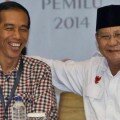
The new presiden, whether Joko (left) or Prabowo, can, and should, revoke laws facilitating religious discrimination, as well as ensure the prosecution of all those implicated in criminal threats or violence against religious minorities. To prove he’s serious, he needs to adopt a “zero tolerance” approach to religious vigilantism.

Indonesia’s partners in the Association of South-East Asian Nations (Asean) can play an important role in protecting Indonesia’s religious minorities.

They can start by making it clear to the winner of the presidential election that a key element of healthy bilateral relations between Indonesia and Asean countries is respect for the rights of religious minorities.

Asean governments should be unequivocal that official tolerance for Islamist militant thugs is an impediment to building a stronger Asean community.

Failure to do so will only ensure that more of Indonesia religious minorities will live in fear of arson attacks – or worse – upon their houses of worship.

_
Andreas Harsono is the Jakarta-based Indonesia researcher for Human Rights Watch

Posted in Nasional, PersekusiComments (0)

No Peace for Minority Groups During Ramadan

JAI cleric Uyun says he has high hopes for this year’s presidential election, predicted to be won by reform-minded and moderate candidate Joko Widodo. “I really hope our next president will uphold the Pancasila [national ideology], the Constitution, Bhineka Tunggal Ika [national motto of ‘Unity in Diversity’],” he says. “If we uphold Pancasila, there will be no more closures of mosques and other houses of worship.

TheJakartaGlobe.com

EVERY night during Ramadan, Enok Juhanah, 63, performs the tarawih, a special prayer only performed during the Islamic holy month, and every night she chooses to do it at her mosque, the Nur Khilafat, in the district of Ciamis, West Java.

Some two dozen men, women and children have gathered for the same purpose this night, sitting at one side of the small mosque’s terrace, unable to enter the building because it was sealed off by the local government on June 26, just two days before the start of Ramadan.

Unable to perform their prayers inside, the courtyard became the venue of this month’s tarawih for the mosque’s congregation. Although Muslims can and do pray at home, many like Enok choose to pray at the terrace in an act of defiance — sometimes at their own risk.

It was raining cats and dogs on this particular night when the tarawih was performed, the wind blowing bitterly cold; Enok was shivering uncontrollably.

“I feel so sad. This is a house of prayer. Why did [the government] shut it down?” she says after the prayer.

Enok is a member of the Ahmadiyah, a minority Muslim group that has been accused of blasphemy by Sunni Muslims and subjected to countless acts of violence, intimidation and discrimination.

No time for peace

For many Muslims, the holy month of Ramadan is meant to be a time of peace, a chance to sideline earthly worries and focus on the spiritual; but this is hardly the case for Indonesia’s Muslim minority groups like the Ahmadiyah.

“We were banned from performing our prayers inside [the mosque], but the ban doesn’t say anything about the terrace,” says Dadan Andriana, a spokesman for the Ciamis chapter of the Indonesian Ahmadiyah Congregation (JAI).

Dadan says despite the loophole, there is still the risk that hard-line groups, which have long deemed it halal, or permissible in God’s eyes, to shed the blood of Ahmadis, may feel provoked and decide to attack the congregation.

“That is our biggest fear. When we pray, we don’t feel at peace at a time like this,” Dadan says, adding that each night two or three Ahmadiyah men stand guard during the prayers.

A congregation of the minority group praying on the terrace of their sealed-off mosque in Ciamis. (JG Photo/Yuli Krisna)

A congregation of the minority group praying on the terrace of their sealed-off mosque in Ciamis. (JG Photo/Yuli Krisna)

The Ahmadiyah congregation in Ciamis is not alone, says Syaiful Uyun, a senior cleric for the group in West Java. He notes that ever since a gubernatorial decree banning the Ahmadiyah was issued in 2011, acts of violence toward the congregation have escalated.

“In Tasikmalaya, an Ahmadiyah mosque was taken over. In Tolenjeng [another mosque] was burned and destroyed. In Sukapura, they also burned and ransacked [a mosque], and in Banjar they sealed [off a mosque],” he says.

For the Ahmadiyah congregation in Tasikmalaya’s Singaparna subdistrict, performing the tarawih as a group is no longer an option. “Every time we hold a communal prayer like the Friday prayer or Koranic recitals, we are always attacked by a group of people,” says Nanang Ahmad Hidayat, the head of the JAI’s Singaparna chapter.

The local Ahmadiyah mosque was last attacked in June 2007 and since then largely abandoned, with JAI leaders instructing the 500-strong congregation in Singaparna to pray in the safety of their homes. Even the mosque’s Islamic school had to be moved to another village.

For the last seven years, the mosque has only hosted groups of five to 10 people praying at a single time, Nanang says, while the rest perform the tarawih at home or at mushalla, prayer houses.

Rising intolerance

According to the religious freedom advocacy group The Setara Institute, cases of religious intolerance have been on the rise since President Susilo Bambang Yudhoyono took office in 2004. In 2012, the group recorded 371 cases of religious violence, intimidation and discrimination, up from 299 cases in 2011.

The Wahid Institute, another religious freedom advocacy group, recorded a similar increase, from 184 cases of religious violence in 2010 to 274 in 2012.

According to the National Commission on Human Rights (Komnas HAM), there were 20 cases of houses of worship being closed or attacked in 2012, and 17 cases where religious gatherings were attacked or disrupted.

JAI Ciamis spokesman Dadan says his congregation will not buckle without a fight. Since its mosque was sealed off last month, the congregation has repeatedly requested a meeting with Ciamis district head Iing Syam Arifin, but to no avail.

Dadan says the closure has no legal basis. The JAI also questions why the decision was done by “Muspida Plus,” which means a party other than the Muspida (Regional Leadership Board, comprising representatives of the local government, military, police, community and religious groups) was involved.

“We suspect that the Muspida Plus refers to the FPI,” he says, referring to the Islamic Defenders Front, a hard-line group notorious for its attacks on religious minorities such as the Ahmadiyah and the Shiites.

The JAI has also called on Komnas HAM and the Indonesian Ombudsman to weigh in on the closure and demand an explanation from the district chief.

In Wanasigra subdistrict, Tasikmalaya, the local Ahmadiyah congregation feels it is safe enough to hold regular communal tarawih prayers at its mosque. Each night during Ramadan, the Al Fadhal mosque is packed with Ahmadis listening to the pre-prayer sermon and staying on to perform the tarawih.

All 700 people in the village are Ahmadis, the congregation says, providing some security. But worries still linger.

On May 5 last year, the village was attacked by a mob of 150 machete-wielding men, who damaged 24 homes as well as the village’s main mosque.

“What I can’t understand is why the 100 heavily armed, heavily equipped police officers [deployed before the attack] did little to stop these people,” says Syamsul Ma’arif, who was in charge of the village’s security at the time.

For Khairunnisa, a resident, last year’s attack only reaffirmed her faith and emboldened her to pray at the mosque.

“I just leave everything to God. If we are afraid and we don’t go to the mosque, it is our loss,” she says.

Undeterred

Just as unperturbed by threats and the growing hatred toward his community is Hesti Rahardja, a Shiite and chairman of West Java chapter of the Indonesian Ahlul Bait Congregation (Ijabi).

He says the Shiites in Bandung continue to carry out religious activities this Ramadan, including breaking the fast with orphans and the poor, or holding religious discussions, despite several hard-line groups in Bandung forming an Anti-Shia Alliance just two months before Ramadan.

The alliance “doesn’t bother us at all. Usually the more someone is threatened, the better his prayers are,” Hesti says with a smile. “We are fine with people hating us… We respect their right to express themselves. As long as it doesn’t break the law we can’t complain.”

Shiites having a prayer discussion in Bandung, West Java. (JG Photo/Yuli Krisna)

Shiites having a prayer discussion in Bandung, West Java. (JG Photo/Yuli Krisna)

But Hesti is concerned that the formation of the alliance has set a bad precedent for the country. “In the end there will be hatred. Maybe now it is Ijabi, but one day others may be targeted as well. That’s something we don’t want,” he says.

Last November several Shiite groups in Bandung, Surabaya, Makassar, Yogyakarta and Jakarta were harassed as they tried to celebrate Assyura, the Shiite Day of the Martyrs. In Bandung several hard-liners blocked the entrance to a building where the Assyura was scheduled to take place, forcing the local congregation to find another venue.

Hopes for next president

JAI cleric Uyun says he has high hopes for this year’s presidential election, predicted to be won by reform-minded and moderate candidate Joko Widodo.

“I really hope our next president will uphold the Pancasila [national ideology], the Constitution, Bhineka Tunggal Ika [national motto of ‘Unity in Diversity’],” he says. “If we uphold Pancasila, there will be no more closures of mosques and other houses of worship.

“The government should only facilitate, not interfere with people’s beliefs. Deeming someone blasphemous or righteous should be left up to God.”

JAI Ciamis spokesman Dadan says the next president must resolve past cases of rights abuses and religious violence.

“Whoever is elected… human rights violations, specifically against religious freedom, must be resolved clearly. There should be no more people being threatened and intimidated because of their faith. No more houses of worship or mosques closed down,” he says.

_
By Yuli Krisna on 12:25 p.m., Jul 20, 2014
Category Featured, News, Religion
Tags: Ahmadiyah, minority religions

Posted in Nasional, PersekusiComments (0)

Belief in One God

NEW MANDALA — EARLIER this month, municipal government officials once again sealed the entrance to an Ahmadiyah mosque in Bekasi, on the outskirts of Jakarta.

The mosque had previously been closed in February 2013, and had been at the center of the debate about the role of Ahmadiyah worshippers in Indonesia. Read the full story

Posted in NasionalComments (0)

Page 1 of 212

@WartaAhmadiyah

Tweets by @WartaAhmadiyah

http://www.youtube.com/user/AhmadiyahID

Kanal Youtube


Tautan Lain


alislam


alislam


alislam


alislam

Jadwal Sholat

shared on wplocker.com